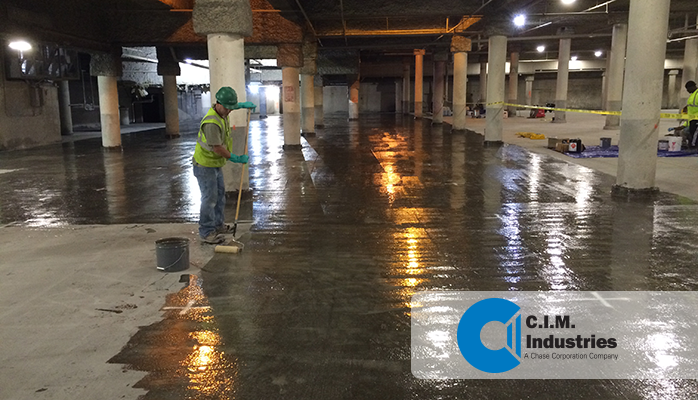

Cold, fluid-applied waterproofing membranes are popular choices in the construction and building industries because of their versatility in areas where traditional sheet waterproofing or hot-applied membranes are not options. Cold, fluid-applied waterproofing membranes can be applied to both vertical and horizontal surfaces and, when installed correctly, should last for many years. Understanding and following the installation guidelines will help ensure the application's success. Cold, fluid-applied waterproofing membranes’ robust physical properties and long-lasting performance are why manufacturers publish application and installation guidelines that must be followed.
How to Successfully Apply Cold, Fluid-applied Waterproof Membranes
Topics: Concrete Waterproofing, Fluid-applied Waterproof Membranes
The construction industry faces many safety challenges as the work environment is always changing in response to the specific job at hand. One of the most challenging environments is working within confined spaces. There are numerous safety regulations in place meant to keep construction workers safe.
Topics: Potable Water Tank, Concrete Waterproofing, Water Treatment
The importance of a well-built building structure is often taken for granted until failures start to appear. These deficiencies can be minor or major, but the results are often catastrophic. This is why consultants play an important role in the waterproofing industry and may add in saving you money in the long run. They add an extra quality assurance check before construction or after a roof or deck fails.
Topics: Concrete Waterproofing, waterproofing
3 Steps to Tie Cold, Liquid Applied Waterproofing with Hot, Rubberized Asphalt Membranes
The most common method employed to tie into an existing hot rubberized asphalt system is to use more hot applied asphalt. This involves using hot kettles and can present some jobsite challenges, such as mobilization issues, safety concerns and foul odor. Cold-applied membranes can address all these concerns. Consult the manufacturer of the cold liquid-applied membrane to verify approval of application procedures. Manufacturers may be able to offer case histories, detail drawings, and application guidelines to help provide technical support needed for tie-in methodology.
Most methods, however, will include the steps listed below.
Topics: CIM Cold Weather Application, Concrete Waterproofing, Liquid Applied Waterproofing, Rubberized Asphalt Membranes
Topics: Concrete Waterproofing, cooling tower
A waterproofing warranty is a legally binding agreement which a company guarantees that some or all its work will be free of defects, typically for a specific length of time, and is normally approved and signed by both the owner of the project as well as a representative of the company manufacturing the product. A warranty provides for a remedy in case there are certain problems with the product provided to the customer. The intent is to provide peace-of- mind to the customer, ensure the product is backed by the company and is consistent with claims related to performance and reliability of the product. If you purchase a waterproofing solution and later discover that it’s defective, you can file a claim with the company – assuming the waterproofing solution is still under warranty – to recoup some or all the cost related to the product. A warranty is essentially a company’s assurance that its product will live up to its claims.
Topics: Concrete Waterproofing
When installing tile, whether it’s flooring for a restaurant kitchen, a swimming pool or a patio deck, the process should include waterproofing the substrate prior to the tile installation.
Topics: Concrete Waterproofing
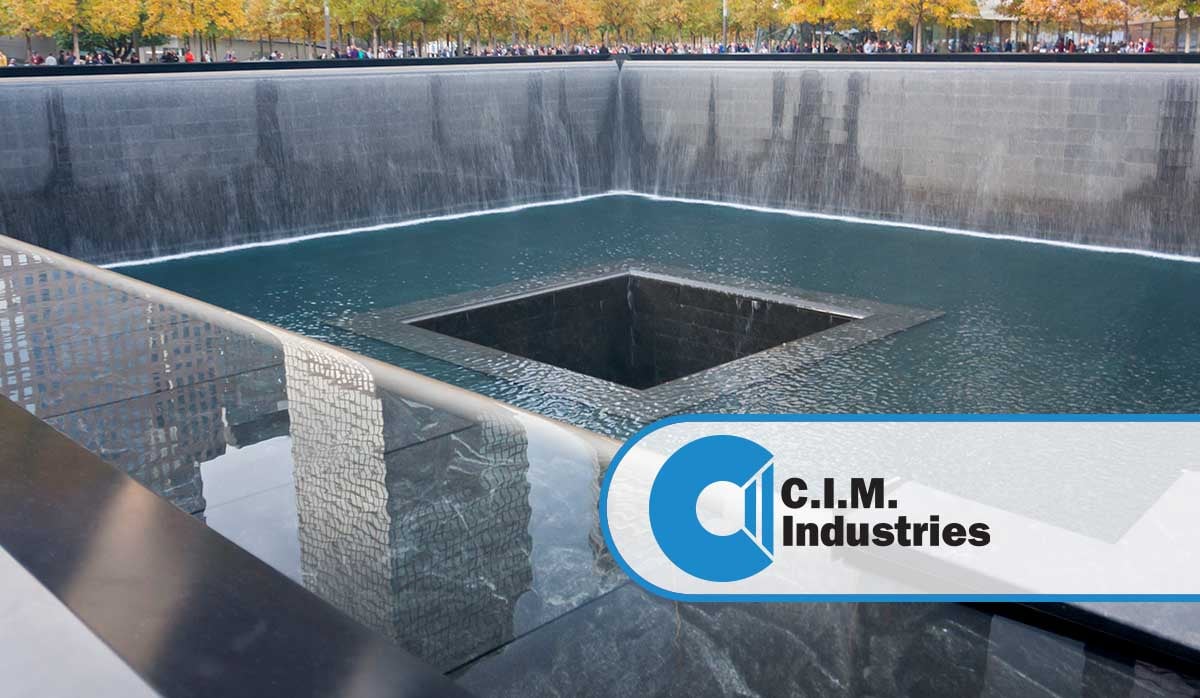
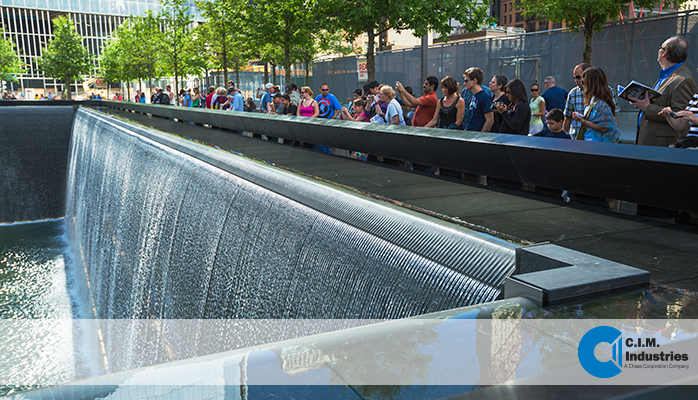
The World Trade Center memorial (WTC) in New York City contains two enormous fountains which presented many waterproofing challenges.
The contractor team spent over 18 months installing the concrete waterproofing system that was selected for the job. Here are the methods utilized:
When designers started to plan what would become North America’s largest man-made waterfalls (World Trade Center Memorial -WTC) in New York City, they faced a number of challenges. One of the biggest concerns was how to contain vast quantities of water while preventing infiltration into underground structures.
To Prime or Not to Prime… That Is the Question
Have you ever found yourself on a job site with one or more of the following conditions?
Topics: EMT Primer, Concrete Waterproofing

.png?width=650&height=278&name=CIM%20Chase%20logoK_301C%20(3).png)