Skip to content

  • There are no suggestions because the search field is empty.
CIM Chase logoK_301C (3)

Combatting Stormwater Erosion with Detention and Retention Tanks

Posted by Graham Wilson on 5/16/2024

Erosion occurs when winds or water interact with soil and rock, causing the affected earth to wear away. The most common example of erosion is at the beach, where tide patterns cause water to move up onto the shore and away from the shore, dragging the sand out to sea and changing the landscape. 

To remedy this, communities have built retaining walls that follow parallel to the shoreline to help stop surface and subsurface erosion. While the beach may be the most thought of place where erosion occurs, it also happens onshore. Torrential downpours can wreak havoc by causing flooding and extreme soil erosion. Like beach erosion, there are ways to mitigate this issue.  

Read More

Topics: Concrete Waterproofing, Water Tank

Getting the Most Out of Cartridge Sealants: Using and Reusing Effectively

Posted by Maribeth Taylor on 4/23/2024

Joint sealants are typically available in cartridges (either single or dual components). Each cartridge style is designed for specific applications and environments. Generally, cartridges are ideal for small applications such as penetrations, joints, cracks, and many other repairs requiring waterproofing or chemical containment. Partially used cartridges can be stored and reused later. Instant mixing and dispensing of sealants are often performed via a hand, air, or battery-powered caulking gun.   

In this article, we'll discuss:

  1. The advantages of using cartridges over other application methods
  2. The basic differences between single-component and dual-component cartridge sealants
  3. How to set up a sealant dispensing gun
  4. How to store a partially used sealant cartridge
Read More

Topics: Concrete Waterproofing

A Deeper Dive Into Essential Waterproofing Terminology - Technical Data Sheets Edition

Posted by Graham Wilson on 8/10/2023

In our last installment, Waterproofing Coatings Terminology 101, we reviewed some central concepts and terms in waterproofing to define the processes and materials common to our industry.  In this installment, we take a deeper dive into coating terminology with a focus on the concepts documented in important product information sheets--specifically Technical Data Sheets (TDS).

TDS' are essential for every applicator as they outline, in great detail, significant product and material attributes that are essential to firmly grasp prior to coating. Let's look at what it takes to fully read these important documents.

Read More

Topics: Concrete Waterproofing, Technical Data Sheets

Factors to Consider When Spraying Waterproof Coatings

Posted by Maribeth Taylor on 5/03/2023

Industrial waterproofing projects require a specialized coating system to meet specific coating specifications. The size and scope of work will influence the application method of these coatings. 

For this discussion, we will review factors to consider when spray-applying waterproof coatings on large-scale projects and the types of spray equipment needed to apply waterproofing materials. Projects with an abundance of vertical walls, overhead surfaces, and minimal risk for overspray are generally excellent candidates for utilizing spray equipment.  

Typically, the spray equipment used for waterproofing products can be classified as airless, air-assisted airless, or plural component spray equipment. Always use equipment recommended by the waterproofing material manufacturer.

Read More

Topics: Concrete Waterproofing, waterproofing, Spray Applied

Selecting the Right Waterproof Coating for Leak Repairs

Posted by Dean Linthicum on 9/08/2022

Let's begin by pondering this question: Why is waterproofing given less priority (left out entirely) during the pre-construction planning phase of any commercial or residential projects?  This trend is truly baffling as proper waterproofing care leads to innumerable benefits in the long-term life and performance of any construction project.

Related Article: Waterproofing is the Future of Construction

Read More

Topics: Concrete Waterproofing, Liquid Applied Waterproofing, Construction

Which C.I.M. Waterproofing Membrane Is Right for Your Application?

Posted by Chase Corp Editor on 3/16/2022

Chevron raised the standards on cold fluid-applied waterproofing membrane applications when they introduced a urethane coating system for synthetic running tracks in the 1960s. Over several decades, this urethane technology morphed into a waterproof bridge deck membrane, now widely recognized as Chase Industrial Membranes (C.I.M. Industries), the leader in the industrial waterproofing market.

Read More

Topics: Concrete Waterproofing, waterproofing, Bridge Deck Preparation, Fluid-applied Waterproof Membranes

Selecting a Waterproofing Application Method - Hand vs Spray Applied

Posted by Maribeth Taylor on 11/15/2021

With many varieties of elastomeric coatings on the market, it should be no surprise that there are many different application methods to consider. So, how do you choose the best plan for your next project? 

This article will focus on polyurethane, cold, fluid-applied, elastomeric waterproofing coatings. These products can be hand-applied using a brush, roller, or squeegee or with specialized spray equipment. The application method is often predicated by project conditions that influence the contractor's ability to apply the material as a uniform coating at the required thickness.

Read More

Topics: CIM Cold Weather Application, Concrete Waterproofing, Hand Applied, Spray Applied

How to Properly Set up a CIM 1000 Cartridge

Posted by Nick Leuci on 11/09/2020

CIM 1000 Trowel Grade Cartridges are ideal for small applications such as penetrations, joints, cracks and many other small repairs. Cartridges are commonly used for adhesion test patches and repair of CIM coatings.

Cartridges may be partially used and re-sealed for future use, eliminating excess waste where only a small amount of CIM is needed.   

Read More

Topics: Concrete Waterproofing, waterproofing

Preventing Moisture Contamination During Concrete Coating Applications

Posted by Maribeth Taylor on 10/28/2020

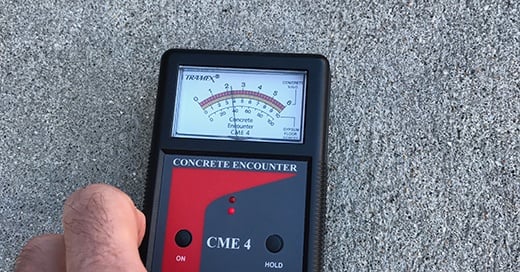
There's no avoiding the fact that concrete contains moisture, yet a critical component for successful adhesion of a coating system to a concrete substrate is having a dry substrate. Knowing how to test for moisture and addressing the conditions causing it are things all contractors should familiarize themselves with before applying coatings. Consulting with the coating manufacturer and reviewing the manufacturer's technical data sheets are excellent ways to gain this information. 

Read More

Topics: Concrete Waterproofing, Liquid Applied Waterproofing

The Vital Role of Balcony Waterproofing

Posted by Graham Wilson on 9/03/2020

Exterior balconies are more than just features on buildings; they are places to host guests, read good books, and enjoy the views. For some, balconies become the focal points of living spaces. People think of the comfort of their living spaces but rarely think about how the building envelope (the exterior skin that acts as a barrier against water, water vapor, air and temperature) works until there is a leak or draft. That same building envelope that creates cozy living rooms and warm sunrooms and beautiful balcony spaces doesn't just provide comfort; it also provides critical protection to the entire structure, ensuring a safe living environment.

Read More

Topics: Concrete Waterproofing, Balcony waterproofing

Subscribe Here!

Featured posts