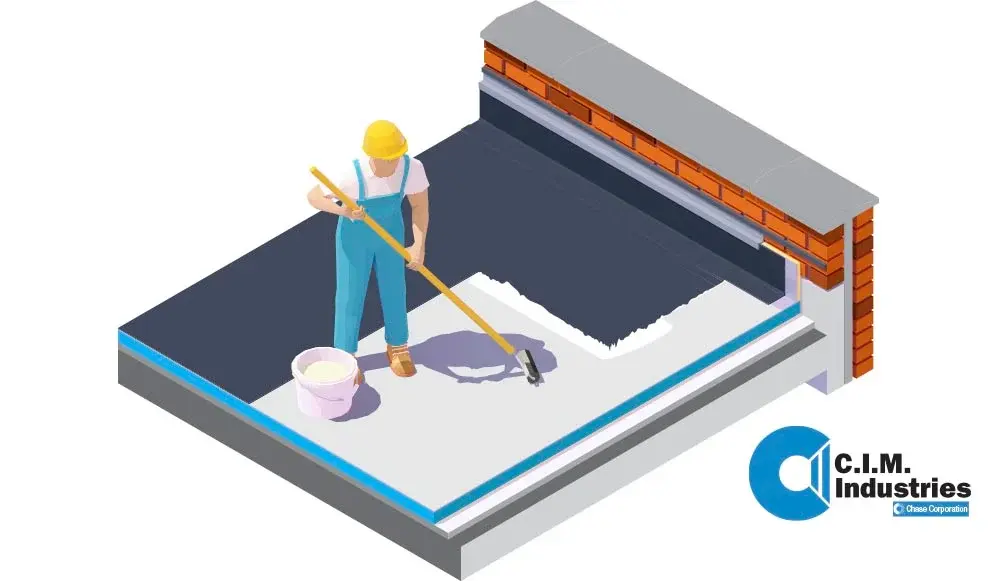
Exposed concrete does not require a choice between reliable waterproofing and a refined architectural finish. A coordinated coating system can preserve the performance of the waterproofing assembly while adding durable, intentional color to visible surfaces.
Architectural Concrete Waterproofing: Integrating Color with High-Performance Waterproofing Systems
Topics: Application Conditions, Concrete Waterproofing, Application Techniques
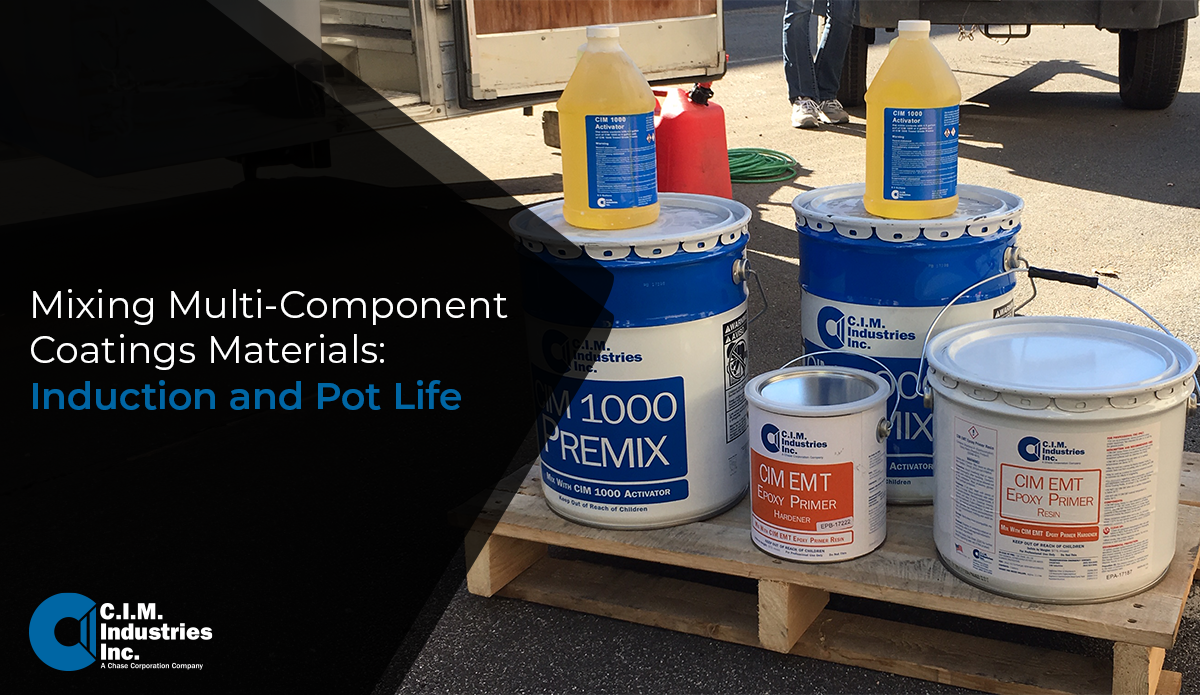
Mixing Multi-Component Coatings Materials: Induction Time and Pot Life
Understanding and following the manufacturer's written guidelines and technical data sheets are essential to achieve the best application of coating possible. Focusing on critical factors, such as choosing the right type of coating, surface preparation, and application methods will ensure everything is done correctly. By doing so, you can be confident you'll get the desired results and have a coating that looks great and performs well in its environment.
Here, we'll discuss the importance of adequately mixing multi-component coatings before application. When mixing single-component coatings, the applicator brings them to a uniform color or condition. However, when mixing multi-component coatings, the process is more involved.
Let's take a look.
Topics: Products & Waterproofing Systems, Application Techniques
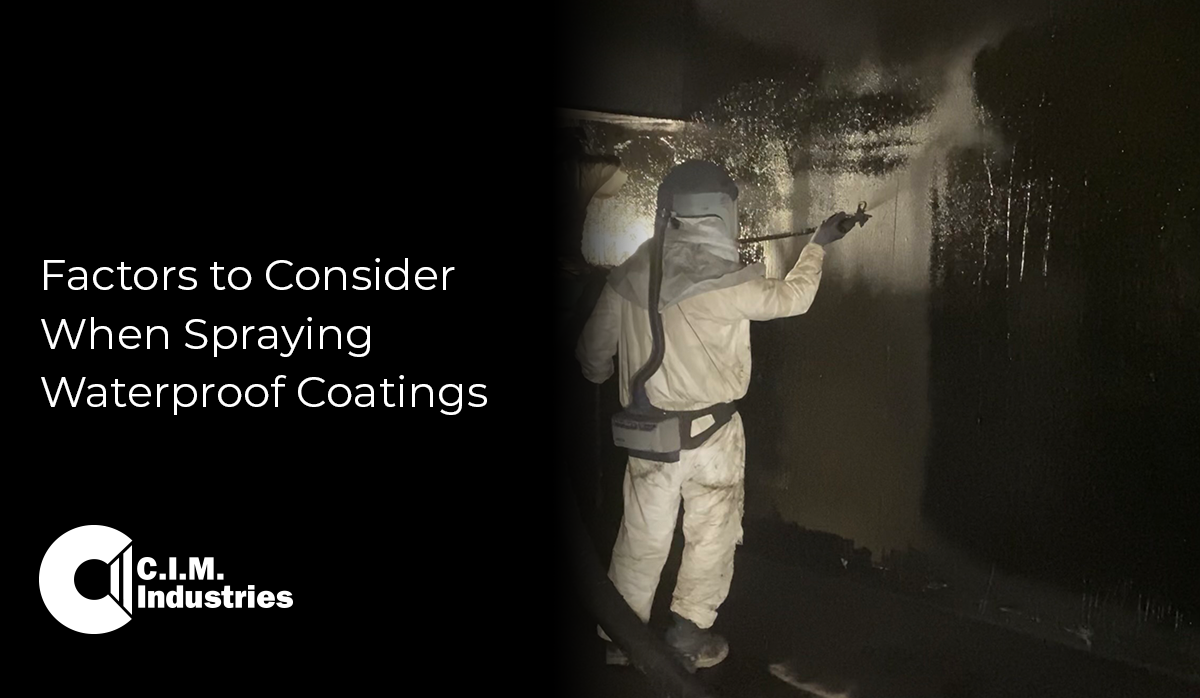
Industrial waterproofing projects require a specialized coating system to meet specific coating specifications. The size and scope of work will influence the application method of these coatings.
For this discussion, we will review factors to consider when spray-applying waterproof coatings on large-scale projects and the types of spray equipment needed to apply waterproofing materials. Projects with an abundance of vertical walls, overhead surfaces, and minimal risk for overspray are generally excellent candidates for utilizing spray equipment.
Typically, the spray equipment used for waterproofing products can be classified as airless, air-assisted airless, or plural component spray equipment. Always use equipment recommended by the waterproofing material manufacturer.
Topics: Concrete Waterproofing, Products & Waterproofing Systems, Application Techniques
Identifying termination points and properly terminating waterproof coatings are two critical aspects of a waterproofing system’s long-term success. Whether you are applying the coating system to a roof, floor, tank, or fountain; in hot or cold climates; or to concrete, wood, steel, or any other construction materials, correctly terminating the waterproofing system is essential.
Termination points are areas where the waterproofing membrane stops or is no longer applied.
Topics: Products & Waterproofing Systems, Application Techniques
Comparing Waterproofing Systems: Cold Fluid-Applied Membranes vs. Self-Adhered Sheet Membranes
Whether you are in the residential or commercial building industry or in the new construction or building maintenance business space, waterproofing is not something to be overlooked. Waterproofing systems work by creating physical barriers to water. They keep water out of places it doesn’t belong and in places where it does belong.
Topics: Surface Preparation, Products & Waterproofing Systems, Application Techniques, Water-blocking Materials
Selecting a Waterproofing Application Method - Hand vs Spray Applied
With many varieties of elastomeric coatings on the market, it should be no surprise that there are many different application methods to consider. So, how do you choose the best plan for your next project?
This article will focus on polyurethane, cold, fluid-applied, elastomeric waterproofing coatings. These products can be hand-applied using a brush, roller, or squeegee or with specialized spray equipment. The application method is often predicated by project conditions that influence the contractor's ability to apply the material as a uniform coating at the required thickness.
Topics: Application Conditions, Concrete Waterproofing, Application Techniques
Environmental conditions can wreak havoc throughout all phases of a coating’s application, but what happens when the wrong tools are used during the mixing process or the material is mixed incorrectly? To avoid negative effects of improper mixing, the manufacturer typically provide technical datasheets, application guidelines, and technical support to aid in the completion of a successful application.
Topics: Products & Waterproofing Systems, Application Techniques
The first thing that usually comes to mind when people think of profiling concrete to prepare for coating application is sandblasting. Unfortunately, this method may not always be practical. Sandblasting is loud and can create excessive dust so other alternatives are sometimes required.
When applying elastomeric coatings over concrete, abrading the surface is almost always required. This prerequisite to abrading the surface is twofold:
1) Remove the “laitance” or weak surface layer of the concrete.2) Create an anchor profile for the coating to adhere.
The requirement which most coating manufacturers use to measure the roughness of the concrete surface is the Concrete Surface Profile or “CSP”. CSP was developed by the International Coating Repair Institute (ICRI) and is divided into 10 classifications often depicted by molded rubber comparison chips (CSP 1-10) as shown below.
Topics: Application Techniques

.png?width=650&height=278&name=CIM%20Chase%20logoK_301C%20(3).png)