Skip to content

  • There are no suggestions because the search field is empty.
1263726714

Picking the Right LOCA Adhesive Viscosity for Automotive LCD Assembly

Posted by Dan Griffin on 10/12/2023

Liquid optically clear adhesive (LOCA) is an essential component in the assembly of liquid crystal displays (LCDs). Its unique properties offer a multitude of advantages that enhance the efficiency, accuracy, optical clarity, and overall performance of the LCD assembly process. Among these advantages, the low viscosity of LOCA plays a particularly critical role in ensuring the production of high-quality LCD displays. 

Read More

Topics: Adhesives, Optically Clear Resin (OCR)

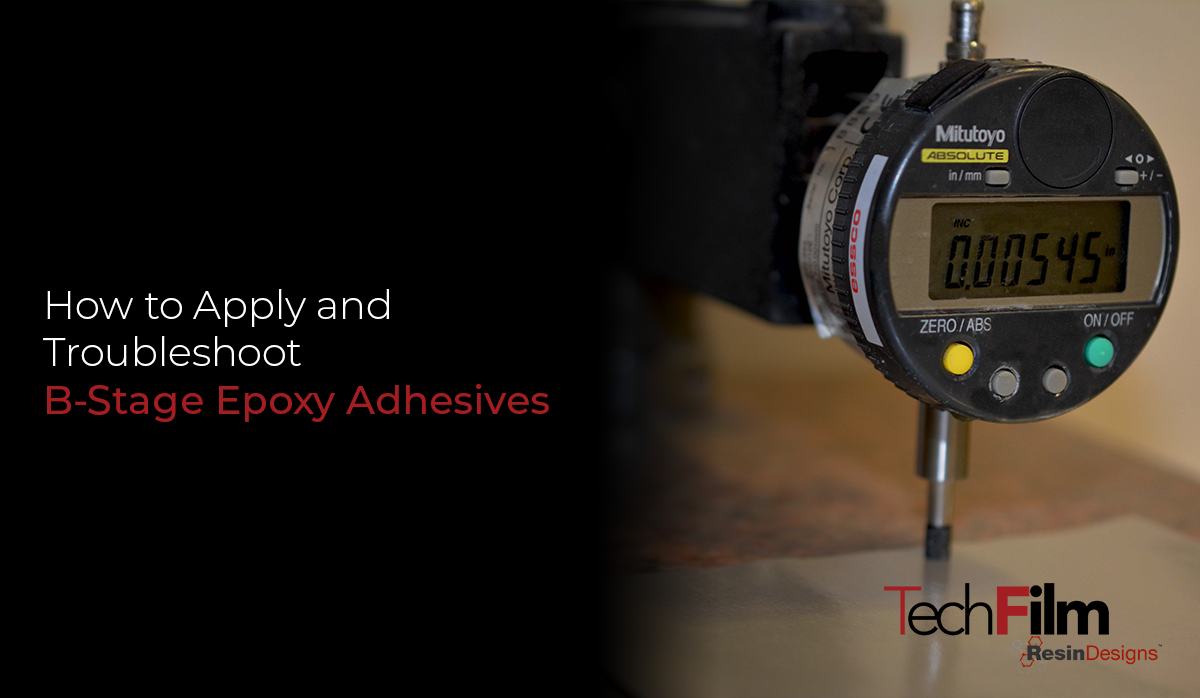
How to Apply and Troubleshoot B-Stage Film Epoxy Adhesives

Posted by Dan Griffin on 9/08/2023

Resin Designs TechFilm is a product line consisting of high-performance, partially cured epoxy adhesive films. These specialized film adhesives are designed as alternatives to two-part liquid epoxies. Techfilm advantages include clean, precise bond thickness and borders, low and high-temperature resiliency, and harsh environmental conditions resistance. 

An important question arises: what makes these films different than opting for traditional adhesive coatings? Let's review the unique strengths of TechFilm adhesives and discuss how to best implement their unique application process.

Read More

Topics: Adhesives, b-Stage Epoxy, Techfilm

Q-SUN: Testing Display Adhesives for Longterm Success

Posted by Chase Corp Editor on 6/02/2022

Liquid, optically clear adhesives (LOCA) provide superior optical enhancement and anti-glare properties in the manufacture of liquid crystal displays. The design of LOCA adhesives must take into account long-term exposure to environmental conditions such as light, temperature, humidity, and mechanical shock. Resin Designs chemists have devised a family of products for both screen face adhesion and edge sealing that have been fully tested to assure clarity and adhesion are maintained over time.

Read More

Topics: Adhesives

What Is the Glass Transition Temperature (Tg) of a Polymer

Posted by Dan Griffin on 4/29/2020

image: Plastic transitioning from solid to amorphous

One of the most common terms that you hear when discussing polymers used as adhesives and coatings is the “glass transition temperature” (often abbreviated Tg). This property is in fact one of the most critical to consider when choosing the correct material for your application. Since many of us never got further than high school physics and chemistry, this term can be a little confusing and deserves explanation.

A layman’s definition of the glass transition temperature of a polymer is the temperature at which an amorphous polymer moves from a hard or glassy state to a softer, often rubbery or viscous state.

Read More

Topics: Glass Transition, Adhesives, Polymers, Curable Adhesive, Glass Transition Temperature

Processing and Troubleshooting Epoxy Adhesives and Encapsulants

Posted by Resin Designs Editor on 4/06/2020

Two-component epoxies are versatile, viable adhesives and encapsulants that have demonstrated their value in the manufacture of electronics, medical devices, aerospace components, and many others. They provide superb electrical and mechanical properties along with the ability to resist extreme environments such as high and low temperatures and chemical exposure.

As part of our commitment to industry and customer support, we believe that our experience with two-component epoxies can be of value to manufacturers faced with certain processing and troubleshooting issues. While far from a comprehensive guide, we present below two common issues experienced when working with epoxies, as well as some tips on how to fix them.

Read More

Topics: troubleshooting, Adhesives, Encapsulants

Announcement: Resin Designs Axis® 310 and 310-W are Approved to ISO10993-5 (Cytotoxicity) Medical Standard

Posted by Resin Designs Editor on 2/04/2020

Axis 310 and Axis 310-W are the most recent additions to Resin Designs’ growing line of medically tested and qualified adhesives. Both products are single component epoxies for simplicity in application. Their heat curing chemistry provides added temperature and chemical resistance properties. These adhesives bond to a wide range of substrates typically found in the design of high-performance medical devices.

Read More

Topics: Resin Designs, Adhesives, Curable Adhesive

Our 165-183 UV Curable Adhesive is now UL V0 Rated

Posted by Resin Designs Editor on 5/13/2019

Resin Designs UV 165-183 is uniquely designed for thick applications as both an adhesive and encapsulant where UL V0 fire ratings are critical. The products properties include:

Read More

Topics: Resin Designs, Adhesives, Curable Adhesive

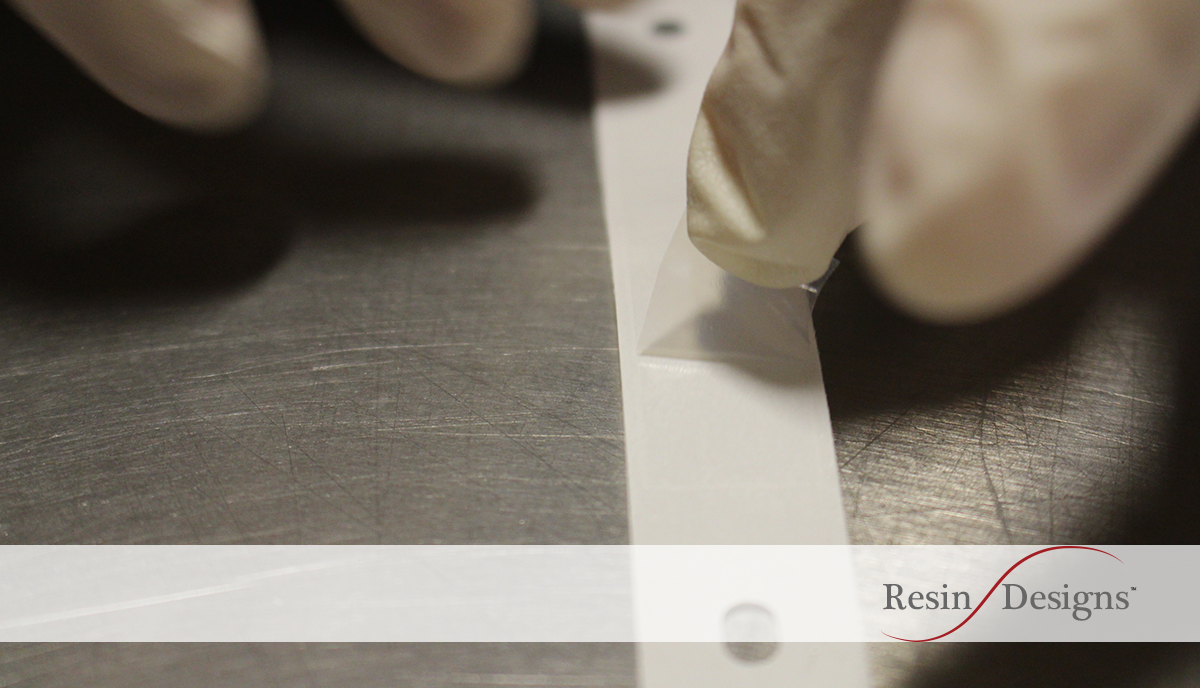
All You Need to Know About B-Stage Epoxy Films

Posted by Dan Griffin on 5/02/2019

B-stage epoxy films for clean reliable bonding/thermal and electrical conductivity

Most of us are familiar with epoxy adhesives and coatings, especially those of us within the electronics and medical device industries. We have all seen and often used two-component liquid epoxies. They are provided in syringes or pails for dispensing as adhesives, sealants, gaskets, and coatings. There is, however, a lesser known relative that can be cleaner, more consistent, environmentally friendly, and capable of unique properties such as thermal and electrical conductivity. It is known as B-stage epoxy film

Read More

Topics: Adhesives, b-Stage Epoxy, Techfilm

5 Important Reasons Why You Should be Mindful of Glass Transitions Temperatures When Selecting an Epoxy Adhesive


Posted by Resin Designs Editor on 11/08/2017

Unlike thermoplastic alternatives such as hot melt adhesives, cured thermosetting epoxies will not re-flow or melt when heated. Instead, epoxies will undergo a transition from a hard-rigid state to a more pliable, rubbery state. The temperature range during which this transition takes place is known as the glass transition temperature, Tg.

Read More

Topics: Resin Designs, Glass Transition, Adhesives

Subscribe Here!

Featured posts

New Call-to-action