

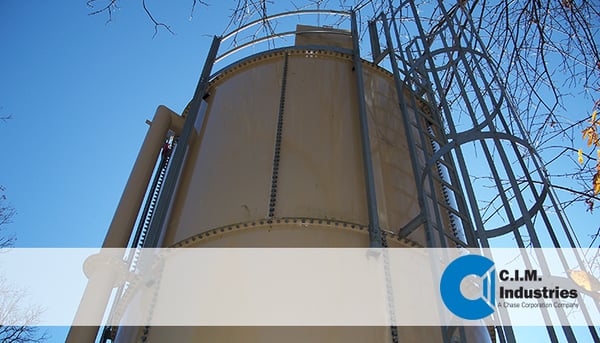
Municipal water tank lining projects require rigorous adherence to NSF/ANSI 61 standards and drinking water regulations. Here's what municipal engineers and specifiers need to know about compliance-driven tank rehabilitation strategies.
Municipal Tank Lining Compliance Environment
Municipal Water System Regulations are transforming how utility engineers approach tank rehabilitation, coating selection, and long-term asset management. Consider today's regulatory landscape: stricter NSF/ANSI 61 certification requirements for potable water contact materials, enhanced EPA drinking water quality monitoring, and more comprehensive state health department oversight—municipal utilities now require documented compliance verification before approving any tank lining project.
Unlike previous decades when tank maintenance focused primarily on corrosion protection, today's municipal projects must address water quality preservation, regulatory compliance documentation, and public health protection simultaneously. For municipal engineers, specifiers, and asset managers—this means integrated project planning that considers material certifications, application procedures, quality testing, and long-term monitoring from initial design through commissioning.
In this technical brief you'll learn: (1) regulatory requirements specific to municipal water tank linings, (2) how quality assurance integrates with potable water safety protocols, (3) strategic coordination with health departments and regulatory agencies, and (4) practical implementation frameworks for compliant tank rehabilitation projects. By the end, you'll understand the technical requirements for municipal tank lining compliance and be able to evaluate coating systems and contractors for your utility's specific needs.
Municipal Regulatory Coordination
Municipal Regulatory Coordination is the systematic engagement with state health departments, EPA regional offices, and local drinking water authorities to ensure tank lining projects meet all applicable potable water safety requirements and regulatory approval processes.
Think of regulatory coordination as obtaining building permits for critical infrastructure: you must demonstrate compliance with specific codes and standards before work begins, maintain documentation throughout construction, and pass final inspections before the system returns to service for public water supply.
Coordination operates through pre-application consultations with health department engineers, submission of material certifications and test data packages, documented approval of application procedures and quality control protocols, and scheduled inspections during surface preparation, coating application, and curing phases. Municipal projects require additional coordination for public notification, service interruption planning, and water quality monitoring during commissioning.
This means municipal engineers can avoid costly project delays and ensure tank rehabilitation meets all public health protection requirements. For utility specifiers, proactive regulatory coordination enables predictable project timelines, clear acceptance criteria for contractor selection, and reduced risk of compliance issues that could affect water service or public confidence.
Potable Water Quality Assurance Systems
Potable Water Quality Assurance is the comprehensive verification system that ensures tank lining materials, application procedures, and cured surfaces meet NSF/ANSI 61 requirements and maintain drinking water safety throughout the tank's service life.
Think of potable water quality assurance as the sterile operating room protocols in medical facilities: every material, tool, and procedure must meet strict contamination prevention standards, with documented verification at each step to protect public health and maintain system integrity.
Quality assurance integrates NSF/ANSI 61 material certification verification, surface preparation protocols with cleanliness verification, environmental monitoring during coating application, cure verification testing with extraction analysis, and pre-service water quality validation. Tank lining projects require additional protocols for confined space safety, potable water system isolation, and disinfection procedures before returning tanks to service.
This means municipal utilities can demonstrate objective compliance with drinking water regulations and protect public health through documented quality controls. For municipal project managers, robust quality assurance reduces liability exposure, accelerates health department approvals, and ensures long-term coating performance that protects both water quality and infrastructure investment.
Municipal Tank Risk Assessment
Municipal Tank Risk Assessment is the systematic evaluation of potential failure modes in tank lining systems that could compromise water quality, regulatory compliance, or public health protection through contamination or coating degradation.
Think of tank risk assessment as the dam safety inspection process: engineers must identify potential failure mechanisms, assess their likelihood and consequences, and implement monitoring and mitigation strategies to prevent catastrophic events that could affect public safety and water supply reliability.
Risk assessment applies specialized analysis including substrate condition evaluation, coating compatibility assessment with existing materials, environmental exposure analysis for UV, thermal cycling, and chemical exposure, and long-term degradation modeling based on water chemistry and operational parameters. Municipal-specific risks include public health consequences of coating failure, regulatory penalties for non-compliance, and service interruption impacts on community water supply.
This means municipal engineers can make data-driven decisions about coating selection, maintenance scheduling, and asset replacement planning with clear justification for capital investments. For utility managers, comprehensive risk assessment minimizes expensive emergency repairs, prevents regulatory violations, and optimizes tank rehabilitation timing to protect both public health and operational budgets.
Municipal Project Stakeholder Coordination
Municipal Project Stakeholder Coordination is the structured communication process with health departments, regulatory agencies, contractor teams, and utility operations staff to ensure tank lining projects meet technical specifications while maintaining public water service and regulatory compliance.
Think of stakeholder coordination as orchestrating a major utility infrastructure project: each participant—from health department inspectors to operations crews—has specific approval authority, technical requirements, and scheduling constraints that must align for successful project completion without service disruptions.
Coordination mechanisms include pre-project meetings with health department engineers to review material certifications and application procedures, structured inspection schedules with regulatory representatives, daily coordination with utility operations for service management, and documented communication protocols for emergency response during coating application. Municipal projects require additional coordination for public notification, media relations, and elected official briefings on project status and water quality protection measures.
This means fewer surprises during health department inspections and smoother project execution with minimal service disruption. For municipal specifiers and project managers, strategic stakeholder engagement translates into accelerated approval processes, reduced change order disputes, and enhanced public confidence that tank rehabilitation projects protect drinking water safety and system reliability.
NSF/ANSI 61 Compliance Optimization
NSF/ANSI 61 Compliance Optimization is the strategic approach to selecting, specifying, and verifying tank lining materials that demonstrate potable water safety through efficient certification pathways while meeting municipal utility performance requirements.
Think of NSF compliance optimization as developing a pharmaceutical quality control system: where every component must meet strict purity standards with documented traceability, similar to how municipal water systems require verified safety for every material that contacts drinking water supplies.
Optimization involves comprehensive review of NSF/ANSI 61 certification documentation for all coating components, verification of certified application temperature and humidity ranges, coordination with NSF-certified testing laboratories for extraction analysis, establishment of certified mixing and application procedures, and maintenance of complete certification records for regulatory audits. Municipal applications require additional verification that certified materials maintain compliance under specific water chemistry conditions and operational parameters.
For municipal utilities managing multiple tank rehabilitation projects, NSF compliance optimization delivers significant operational and regulatory benefits. This means reduced certification verification time and simplified health department approvals, enhanced confidence in long-term water quality protection, improved contractor qualification and selection processes, and stronger documentation for regulatory compliance audits and public accountability.
How This Differs from Industrial Tank Coating Approaches
- Industrial approach: Coating selection based primarily on chemical resistance and corrosion protection performance.
- Municipal approach: Material selection must prioritize NSF/ANSI 61 certification and potable water safety with documented compliance verification throughout project lifecycle.
- Industrial approach: Quality control focused on coating thickness and adhesion testing for asset protection.
- Municipal approach: Quality assurance includes extraction testing, water quality analysis, and health department inspection protocols to ensure public safety.
- Industrial approach: Risk analysis addresses operational downtime and maintenance costs only.
- Municipal approach: Risk management must consider public health consequences, regulatory penalties, and community water service reliability impacts.
- Industrial approach: Project coordination limited to facility operations and contractor management.
- Municipal approach: Stakeholder engagement includes health departments, regulatory agencies, elected officials, and public communication requirements.
- Industrial approach: Certification requirements vary by application with flexibility in standards selection.
- Municipal approach: NSF/ANSI 61 compliance mandatory with strict documentation and verification requirements for drinking water protection.
What This Means for Municipal Engineers
- Coating specification documents must reference specific NSF/ANSI 61 certified products with verified application procedures, ensuring contractor compliance and health department approval while protecting utility liability exposure.
- Project scheduling must allocate additional time for regulatory coordination, health department inspections, and water quality verification testing because municipal oversight requirements extend project timelines compared to industrial applications.
- Contractor qualification processes should verify NSF certification training, potable water project experience, and documented quality control capabilities to ensure compliance with municipal drinking water protection requirements.
- Water quality monitoring programs must include pre-service testing protocols and long-term surveillance procedures to verify coating performance and maintain regulatory compliance throughout tank service life.
- Documentation systems should maintain complete certification records, inspection reports, and water quality test results in centralized files accessible for regulatory audits and public information requests.
- Municipal utilities with multiple tanks can leverage certified coating systems and proven contractor relationships to streamline future rehabilitation projects while maintaining consistent quality standards and regulatory compliance.
How to Implement Municipal Tank Lining Excellence
- Conduct comprehensive tank condition assessment: Evaluate structural integrity, substrate conditions, existing coating systems, and water quality impacts to develop data-driven rehabilitation strategies that address both asset protection and regulatory compliance requirements.
- Establish regulatory coordination framework: Develop documented procedures for health department consultation, material certification verification, inspection scheduling, and approval processes to ensure consistent compliance across all tank rehabilitation projects.
- Implement NSF/ANSI 61 verification protocols: Create systematic procedures for material certification review, contractor qualification, application oversight, and water quality testing that demonstrate compliance with potable water safety requirements.
- Deploy contractor qualification and oversight programs: Establish verified contractor capabilities including NSF training, municipal project experience, quality control procedures, and insurance requirements that reduce project risk and ensure compliance performance.
- Execute integrated quality management and monitoring systems: Ensure all project phases include documented quality controls, regulatory checkpoints, and water quality verification that protect public health and maintain long-term system integrity.
Municipal Tank Lining Terminology
Extraction Testing: Laboratory analysis that measures potential migration of chemical compounds from cured coating systems into potable water under simulated service conditions for NSF/ANSI 61 compliance verification.
Municipal Regulatory Coordination: Systematic engagement with health departments and regulatory agencies to ensure tank lining projects meet potable water safety requirements and approval processes.
NSF/ANSI 61: Public health standard that establishes health effects criteria for materials and products that come into contact with potable water systems, mandatory for municipal drinking water applications.
Potable Water Quality Assurance: Comprehensive verification system ensuring tank lining materials and procedures meet drinking water safety requirements throughout project lifecycle.
Pre-Service Water Quality Testing: Required analysis of treated water quality parameters before returning rehabilitated tanks to service to verify coating compliance and drinking water safety.
Substrate Condition Assessment: Engineering evaluation of tank structural integrity, surface contamination, and existing coating conditions to determine appropriate surface preparation and coating system selection.
Tank Risk Assessment: Systematic evaluation of failure modes that could compromise water quality or regulatory compliance through coating degradation or contamination pathways.
FAQ's
What is NSF/ANSI 61?
NSF/ANSI 61 establishes health-effects requirements for materials and products that come into contact with drinking water. Municipal tank lining systems should meet applicable certification requirements.
What should engineers consider when selecting a municipal tank lining?
Key considerations include NSF/ANSI 61 certification, substrate condition, surface preparation, application requirements, durability, and local regulatory requirements.
Why is quality assurance important for potable water tanks?
Quality assurance helps verify proper material selection, surface preparation, application, curing, and testing before the tank returns to service.
How can municipalities reduce tank lining compliance risks?
Early regulatory coordination, qualified contractors, clear documentation, and consistent inspection procedures can help reduce delays and compliance issues.
How can CIM Industries support municipal tank lining projects?
CIM Industries can recommend suitable coating systems and provide guidance on product selection, surface preparation, and installation requirements.