
CIM Color Shield™ Topcoattransforms high-performance waterproofing systems with its versatile, long-lasting finish. From elevating UV resistance and chemical durability to crafting vibrant, slip-resistant surfaces, mastering the application unlocks the coating’s full potential. This guide leads you step by step through the application process, sharing expert tips and proven techniques to help you achieve flawless, reliable results.
A Practical Guide to Applying Color Shield™ Topcoat Over CIM Waterproofing Coatings
Topics: CIM blog topic, CIM Concrete Waterproofing, CIM industries
Common Elastomeric Coating Defects and How to Prevent Them
Elastomeric coatings are applied to roofs, walls, and structural surfaces for their flexibility, waterproofing, and UV resistance. Elastomeric polyurethanes bridge cracks and waterproof substrates like concrete and metal. When properly installed, these coatings provide long-term protection and durability. However, defects can occur if surface preparation, application, or environmental conditions are not controlled.
Understanding these defects and how to prevent them is essential for contractors, inspectors, and asset owners. The following outlines common elastomeric coating defects, their causes, and prevention methods.
Topics: CIM blog topic, CIM Concrete Waterproofing, CIM industries
Introducing Color Shield™ Topcoat: Where Waterproofing Performance Meets Architectural Design
For decades, waterproofing systems have been built with one goal in mind: performance. But in today’s built environment, performance alone isn’t always enough, aesthetics matter too. That’s where Color Shield™ Topcoat comes in. Color Shield is a next-generation, two-component polyaspartic topcoat designed to deliver UV-stable, color-stable protection, without compromising the proven performance of CIM waterproofing systems.
Topics: CIM blog topic, CIM Concrete Waterproofing, CIM industries
Understanding Waterproofing Warranties: Updated Guidance from CIM
Peace of mind starts with the right protection, and the right partner.
When it comes to waterproofing systems, a warranty is more than paperwork, it's a manufacturer’s formal promise that the product will perform as intended. It assures the building owner that the materials are free from defects and provides a path forward if issues arise. Most warranties are signed by both the building owner and a representative of the product manufacturer and are designed to build confidence in long-term performance and durability.
Topics: Concrete coating, CIM Industry, CIM Concrete Waterproofing, Concrete Waterproofing, Waterproofing tiles
A Deeper Dive Into Essential Waterproofing Terminology - Technical Data Sheets Edition
In our last installment, Waterproofing Coatings Terminology 101, we reviewed some central concepts and terms in waterproofing to define the processes and materials common to our industry. In this installment, we take a deeper dive into coating terminology with a focus on the concepts documented in important product information sheets--specifically Technical Data Sheets (TDS).
TDS' are essential for every applicator as they outline, in great detail, significant product and material attributes that are essential to firmly grasp prior to coating. Let's look at what it takes to fully read these important documents.
Topics: CIM Concrete Waterproofing, membranes, Technical Data Sheets
Which C.I.M. Waterproofing Membrane Is Right for Your Application?
Chevron raised the standards on cold fluid-applied waterproofing membrane applications when they introduced a urethane coating system for synthetic running tracks in the 1960s. Over several decades, this urethane technology morphed into a waterproof bridge deck membrane, now widely recognized as Chase Industrial Membranes (C.I.M. Industries), the leader in the industrial waterproofing market.
Topics: CIM Concrete Waterproofing, waterproofing, Bridge Deck Preparation, Fluid-applied Waterproof Membranes
Selecting a Waterproofing Application Method - Hand vs Spray Applied
With many varieties of elastomeric coatings on the market, it should be no surprise that there are many different application methods to consider. So, how do you choose the best plan for your next project?
This article will focus on polyurethane, cold, fluid-applied, elastomeric waterproofing coatings. These products can be hand-applied using a brush, roller, or squeegee or with specialized spray equipment. The application method is often predicated by project conditions that influence the contractor's ability to apply the material as a uniform coating at the required thickness.
Topics: CIM Cold Weather Application, CIM Concrete Waterproofing, Concrete curing, Hand Applied, Spray Applied
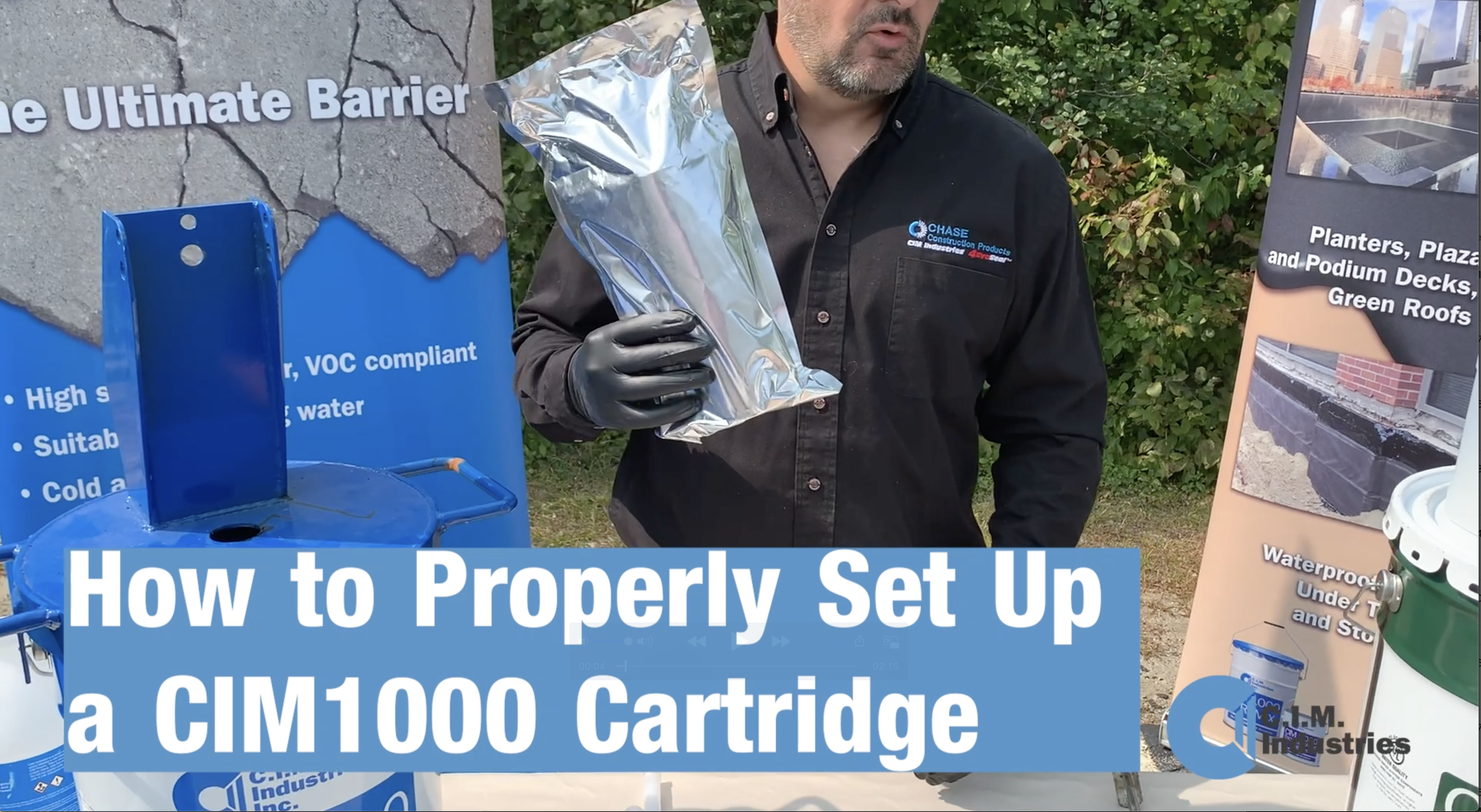
CIM 1000 Trowel Grade Cartridges are ideal for small applications such as penetrations, joints, cracks and many other small repairs. Cartridges are commonly used for adhesion test patches and repair of CIM coatings.
Cartridges may be partially used and re-sealed for future use, eliminating excess waste where only a small amount of CIM is needed.
Topics: CIM 1000 Premix, CIM Concrete Waterproofing, waterproofing, CIM industries
Exterior balconies are more than just features on buildings; they are places to host guests, read good books, and enjoy the views. For some, balconies become the focal points of living spaces. People think of the comfort of their living spaces but rarely think about how the building envelope (the exterior skin that acts as a barrier against water, water vapor, air and temperature) works until there is a leak or draft. That same building envelope that creates cozy living rooms and warm sunrooms and beautiful balcony spaces doesn't just provide comfort; it also provides critical protection to the entire structure, ensuring a safe living environment.
Topics: CIM Concrete Waterproofing, Concrete Sealant, CIM industries, Balcony waterproofing
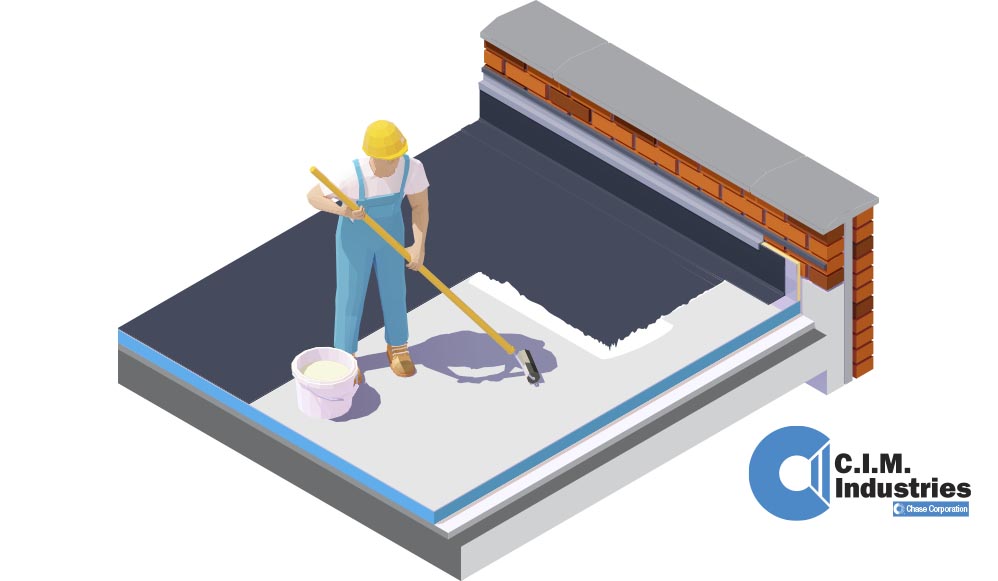
How to Successfully Apply Cold, Fluid-applied Waterproof Membranes
Cold, fluid-applied waterproofing membranes are popular choices in the construction and building industries because of their versatility in areas where traditional sheet waterproofing or hot-applied membranes are not options. Cold, fluid-applied waterproofing membranes can be applied to both vertical and horizontal surfaces and, when installed correctly, should last for many years. Understanding and following the installation guidelines will help ensure the application's success. Cold, fluid-applied waterproofing membranes’ robust physical properties and long-lasting performance are why manufacturers publish application and installation guidelines that must be followed.
Topics: CIM Industry, CIM Concrete Waterproofing, Concrete Waterproofing, Concrete Sealant, Fluid-applied Waterproof Membranes

.png?width=650&height=278&name=CIM%20Chase%20logoK_301C%20(3).png)