

Whether you are applying wax, cold-applied or hot-applied tapes, when Old Man Winter comes calling,...
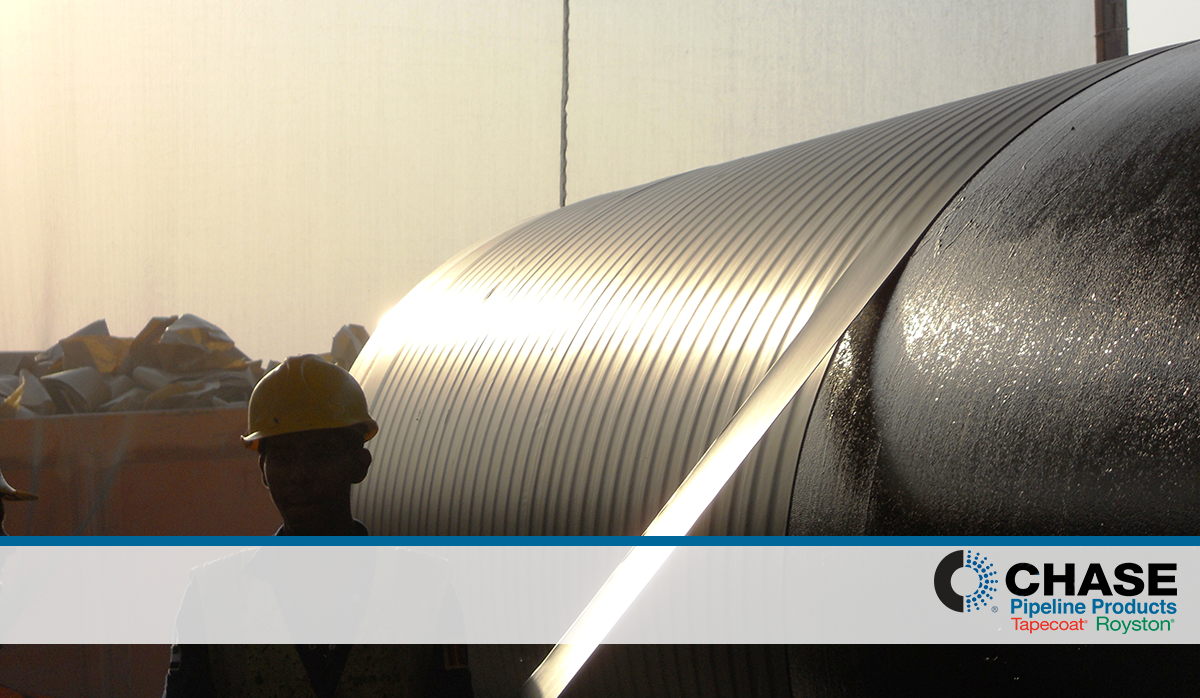
Corrosion-protection tapes have been trusted worldwide for their proven corrosion protection and practical field performance. Since 1941 our products have been used in the pipeline field to protect pipes from corrosion and continue to lead the way in field preferability of contractors due to its versatility to mold to irregular shapes and ability to seal joints as well.
One of the biggest challenges facing contractors with the use of corrosion-protection tapes remains the same, which tape do I need to buy? Nobody wants to purchase a tape that is rated for much higher than they need for a higher price when another option is available.
Understanding Pipeline Corrosion-Protection Tape
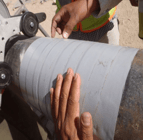 For decades, tape products have been a trusted name in corrosion prevention. There is a wide range of tapes designed to protect and extend the life of pipelines, tanks, fittings, and other assets. Engineered for demanding industrial environments, Corrosion-protection tapes are used in oil and gas, water, wastewater, utility, and infrastructure industries to provide long-lasting protection against corrosion, moisture, chemicals, and harsh environmental conditions.
Why Use a Pipeline Tape Selection Guide?
.png?width=306&height=138&name=Avas%20Graphics%20-%202025%20(15).png) Often when you’re on a job site, there are tons of codes, acronyms, SKUs, and several other things to try and remember. While the tape you choose may bond to the surface it’s being applied to, it may not be the correct product for your application. This leads to phone calls or text messages back and forth and could delay the ordering process and ultimately the job. Using a Pipeline Tape Selection Guide for Tapes, you can quickly identify your needed tape for your application.
Often when you’re on a job site, there are tons of codes, acronyms, SKUs, and several other things to try and remember. While the tape you choose may bond to the surface it’s being applied to, it may not be the correct product for your application. This leads to phone calls or text messages back and forth and could delay the ordering process and ultimately the job. Using a Pipeline Tape Selection Guide for Tapes, you can quickly identify your needed tape for your application.
Key Factors to Consider When Selecting Pipeline Tape
Using a Pipeline Tape Selection Guide will allow you to quickly identify what tape is needed for your application. The comprehensive guide will list common conditions that may be present such as:
Application Environment
- Below Grade
- Above Grade
- Aggressive Soil/High Soil Stress
Pipe Size and Configuration
- Small Diameter Pipe
- Medium Diameter Pipe
- Larger Diameter Pipe
- Fittings, Tees, Elbows
Adhesive, Primer, and Temperature Requirements
- Max Operating Temperature (°F & °C)
- Adhesive Type
- Primer requirements
Pipeline Coating Tapes Included in the Selection Guide
Our Pipeline Tape Selection Guide for our corrosion-protection tapes was developed by a team of experienced employees with over 50 years of combined experience. The guide contains a list of the most used corrosion-protection tapes in the field. It highlights the uses of these products, but also the differing applications our products can be used for.
The guide can assist you with basic questions regarding the following cold applied Tapes:
- Tapecoat Envirotape
- Tapecoat ColorCoat
- Tapecoat T Tape
- Tapecoat H35
- Tapecoat H50
- Tapecoat M50
- Royston Greenline
- Tapecoat HTMB
- Tapecoat 6025
For information on these cold applied tapes, hot applied tapes, or liquid applied materials please reach out to Chase Corporation, and we will have someone get in touch with you about our products!
Get Help Selecting the Right Pipeline Coating
Selecting the right pipeline coating depends on several factors, including the application environment, pipe size, operating temperature, soil conditions, and surface configuration. If you are unsure which cold-applied tape, hot-applied tape, or liquid-applied coating best fits your project,the Chase Corporation team can help. Contact us to discuss your application and receive guidance on selecting a corrosion-protection system that meets your project’s specific requirements.
Frequently Asked Questions
1. What are Tapecoat products used for?
Tapecoat products help protect pipelines, joints, fittings, valves, flanges, and other industrial assets from corrosion. They create a protective barrier that limits exposure to moisture, soil, chemicals, and environmental conditions that can contribute to steel deterioration.
2. What is the difference between cold-applied and hot-applied pipeline coatings?
Cold-applied tapes are installed without external heat, making them practical for field applications where efficient and straightforward installation is important. Hot-applied systems require heat during installation to activate or apply the coating material. The appropriate system depends on the asset, operating temperature, environmental exposure, project specifications, and installation conditions.
3. When should cold-applied pipeline tapes be used?
Cold-applied tapes are commonly used for pipeline maintenance and rehabilitation, girth welds, bends, fittings, and below-grade corrosion protection. They are especially useful when crews need a flexible, moisture-resistant system that can be installed efficiently without heating equipment.
4. What makes butyl tapes effective for corrosion protection and sealing?
Butyl tapes are valued for their flexibility, moisture resistance, and ability to conform to irregular surfaces. Their sealing properties can help limit water and air intrusion around pipeline joints, fittings, and other industrial components. Always verify that the selected tape is compatible with the substrate and intended service conditions.
5. When should a liquid-applied coating be considered?
Liquid-applied coatings are often used on complex or irregular surfaces that can be difficult to wrap evenly with tape. Common applications include valves, flanges, fittings, large-diameter pipe, and structural components. Once properly applied and cured, the coating forms a continuous protective barrier that helps reduce pathways for moisture intrusion.
6. How do I choose the right Tapecoat product for my project?
Consider the asset type, pipe diameter, surface geometry, above- or below-grade placement, soil conditions, operating temperature, installation environment, and required performance. The product should also meet applicable project specifications and application requirements. A pipeline tape selection guide can help narrow the options, but critical applications should be reviewed with a technical representative.
7. Are Tapecoat products used only on pipelines?
No. Although Tapecoat products are widely used for pipeline corrosion protection, certain products may also be suitable for tanks, industrial equipment, fittings, structural components, and water or wastewater infrastructure. Suitability depends on the product, substrate, exposure conditions, and application requirements.
8. Why is surface preparation important before applying a pipeline coating?
Proper surface preparation helps the tape or coating adhere to the substrate and perform as intended. Dirt, oil, moisture, rust, and loose material can interfere with adhesion and reduce long-term performance. Always follow the product’s current surface-preparation and application instructions.