Skip to content

  • There are no suggestions because the search field is empty.
HumisealLogoforBlogpage

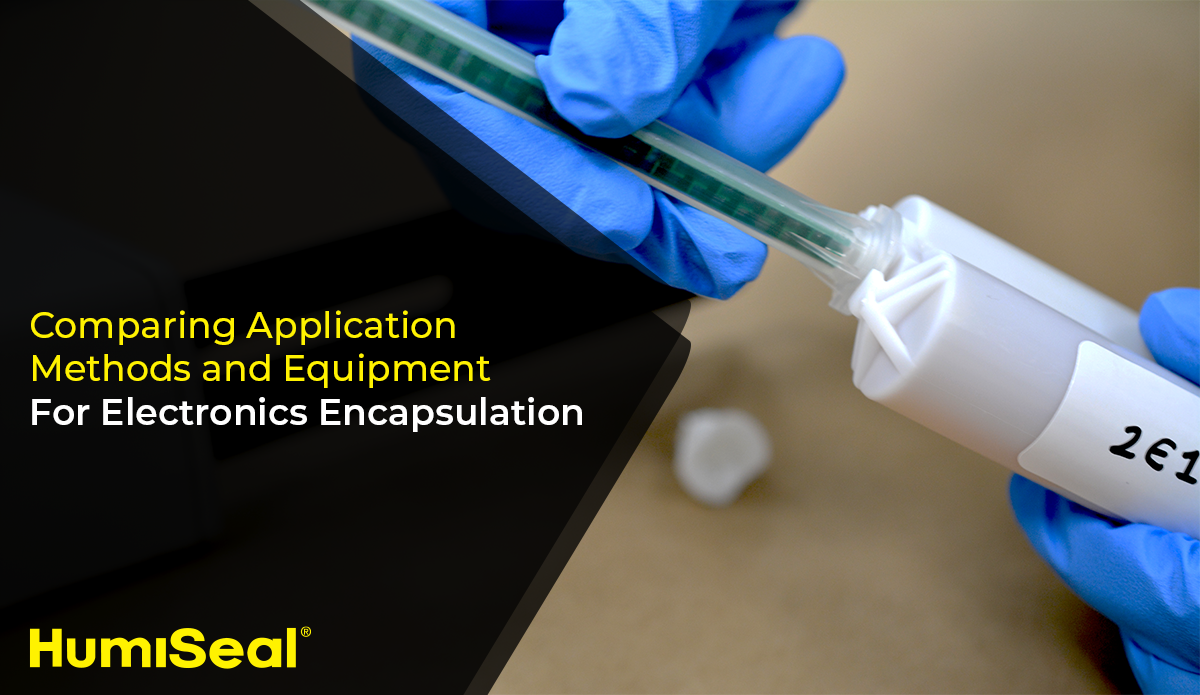
Comparing Application Methods and Equipment for Electronics Encapsulation

Posted by Dan Griffin on 5/30/2024

For decades, Chase Corporation and our Humiseal brand have been the originators and recognized leaders in PCB protection with conformal coatings. Humiseal also provides products and technical support for a complete line of encapsulants. While conformal coatings provide adequate protection in most instances, sometimes you just need a little more coverage! Humiseal encapsulants add a whole new level of protection against extreme temperature and chemical exposure.

So, if you currently use Humiseal conformal coatings, there are certain industry-established methods, both manual and automated, for applying them. This usually involves either spraying them, manually hand brushing conformal coatings, or dipping the entire board. Encapsulants are quite different and the following are some common application methods with pros and cons to help in your decisions.

Read More

Topics: Encapsulants & Protective Gels

Encapsulating for PCBs: How to Choose the Right Method

Posted by Vlad David on 2/20/2024

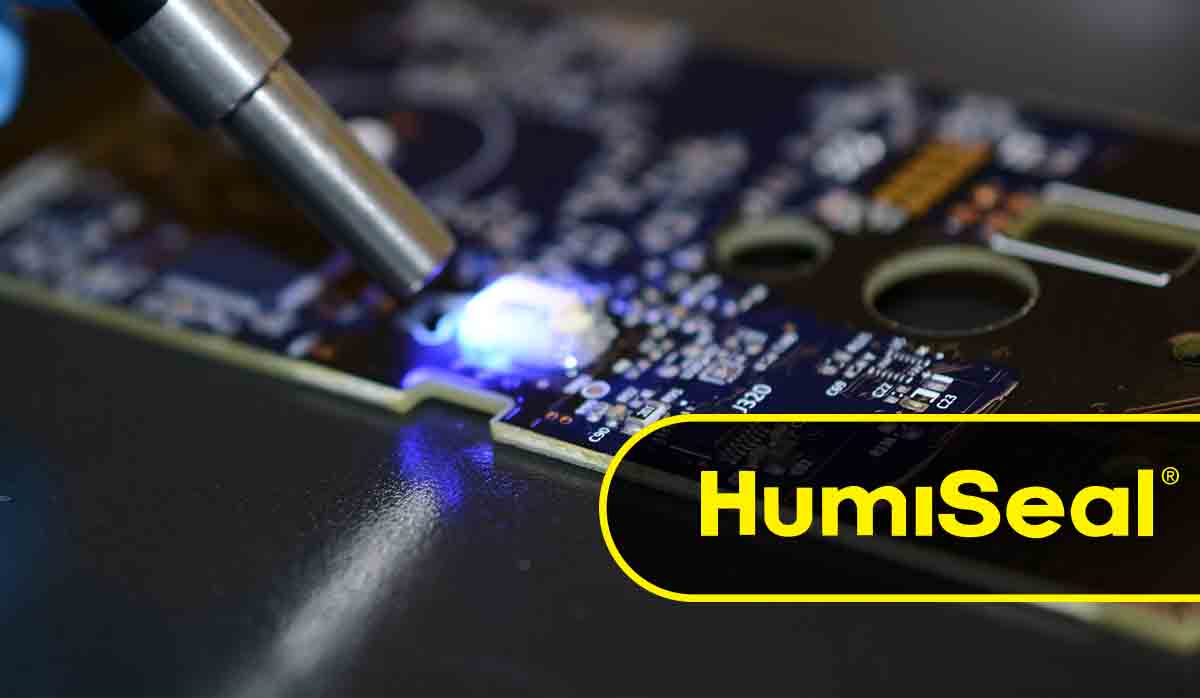
If you're familiar with HumiSeal through our blogs, you know we are big fans of conformal coatings. This is for good reason; with advancing conformal coating technology, innovative LED and UV curable coatings offer incredible protection for a large range of applications.

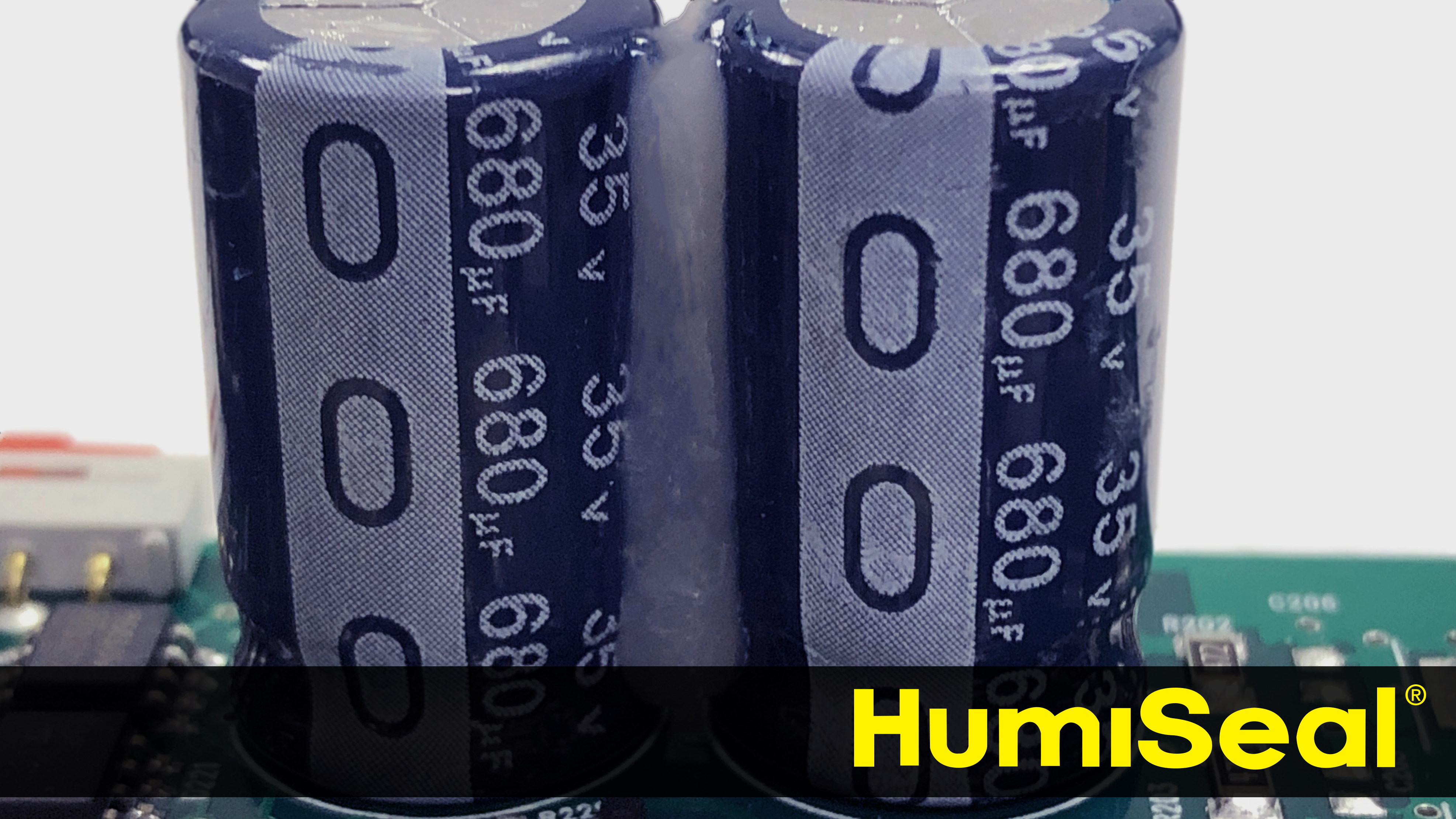
Conformal coatings are just one method of circuit board protection available to engineers. Those involved with PCBs may be familiar with the terms encapsulation. Encapsulation is a tremendously powerful method to secure and protect PCBs by submerging them in a protective material. In many cases, this is more desirable than selectively applying conformal coatings.

Read More

Topics: Encapsulants & Protective Gels, PCB & Electronic Protection

Ruggedization of Electronic Circuits? Encapsulation is One of The Best-kept Protection Secrets

Posted by Vlad David on 10/25/2023

It's no secret that conformal coatings increase the lifetime of electronic devices by providing a thin barrier that strengthens their ability to withstand harsh environmental conditions. That said, a lesser-known truth is adhesives and encapsulants provide a significantly higher level of protection on the entire assembly.

Why is that? Well, adhesives and encapsulants promote assembly protection by:

  • creating environmental seals that protect against moisture and corrosion
  • providing high-temperature resistance
  • increasing shock and vibration-dampening
  • generating strong bonds to a variety of substrates
  • maintaining low shrinkage
  • offering thermal conductivity

Bury it in

Read More

Topics: Adhesives, Reliability & Environmental Protection, Encapsulants & Protective Gels, PCB & Electronic Protection

Protective Gels: The Next Level of Protection for Your PCBs

Posted by Dan Griffin on 12/16/2019

Conformal coating of printed circuit boards (PCBs) has resulted in a steady evolution in performance and protection for modern electronics. It has allowed for lightweight and reliable controls in industries such as automotive and aerospace among others. This has brought about the possibility of increased length of warranties as well as fewer failures and claims. Nevertheless, original equipment manufacturers (OEMs) and consumers continue to raise their standards and expectations for longevity and reliability to levels unimagined just 10 years ago. In the automotive industry, as an example, thermal cycling testing might have involved as few as 10 or 50 cycles in the recent past. That standard is now often 500 or even 1000 cycles with no apparent ending in sight.

So what do I do when conformal coating is not enough?

Read More

Topics: Conformal Coatings, Encapsulants & Protective Gels, PCB & Electronic Protection

5 Simple Steps to Eliminate Bubbles in Potting Encapsulants

Posted by Humiseal Editor on 4/16/2018

Encapsulant solutions are commonly used to enhance protection of circuit boards from environmental and liquid contaminants, chemical attack, and electrical shortages. While potting materials provide many positive attributes when used to protect PCBs, sometimes other issues arise during and post application of these compounds. This blog focuses on “bubbles” forming within the encapsulant itself.

Read More

Topics: Encapsulants & Protective Gels

Subscribe Here!

Featured posts

Request FREE Sample

Subscribe Here!

Featured posts