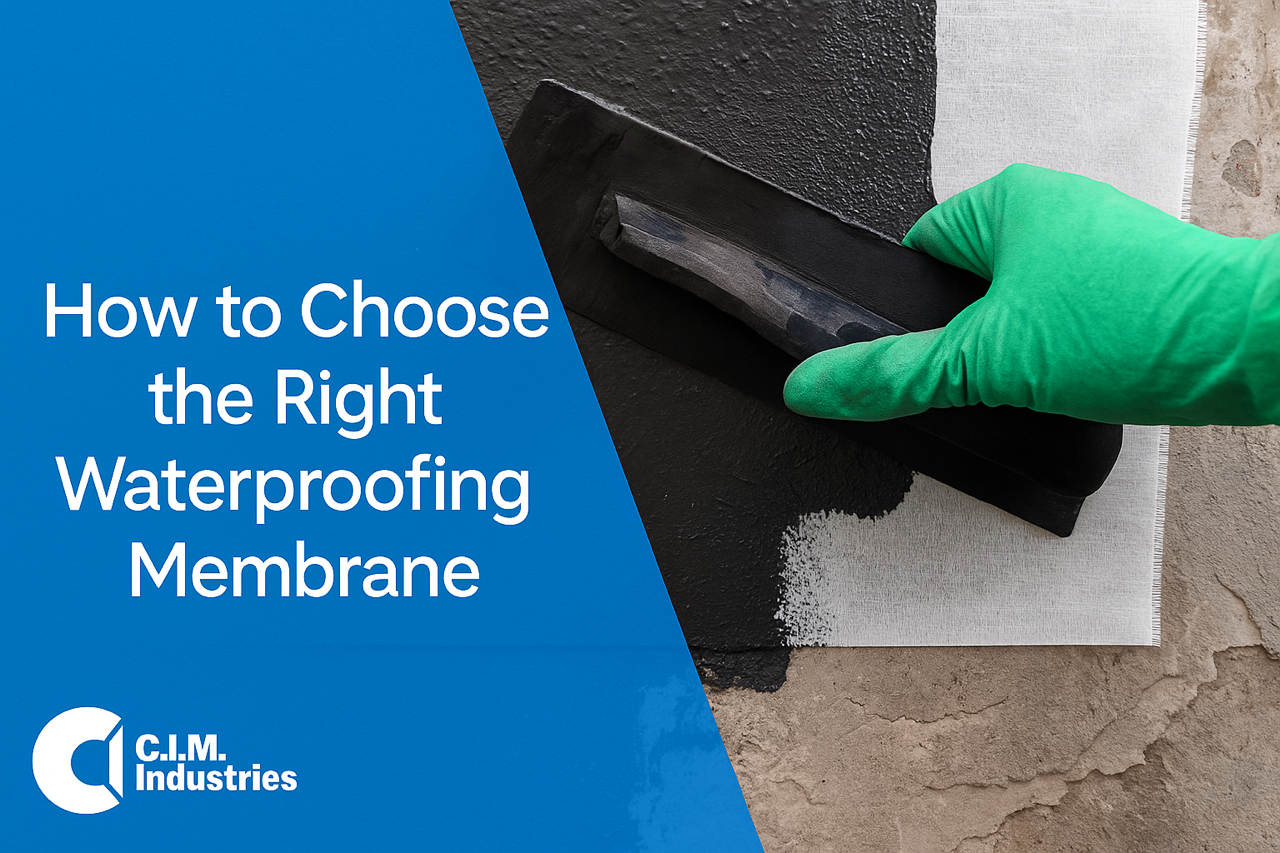
Whether you are in the residential or commercial building industry or in the new construction or building maintenance business space, waterproofing is not something to be overlooked. Waterproofing systems work by creating physical barriers to water. They keep water out of places it doesn’t belong and in places where it does belong.
Comparing Waterproofing Systems: Cold Fluid-Applied Membranes vs. Self-Adhered Sheet Membranes
Topics: Surface Preparation, Products & Waterproofing Systems, Application Techniques, Water-blocking Materials
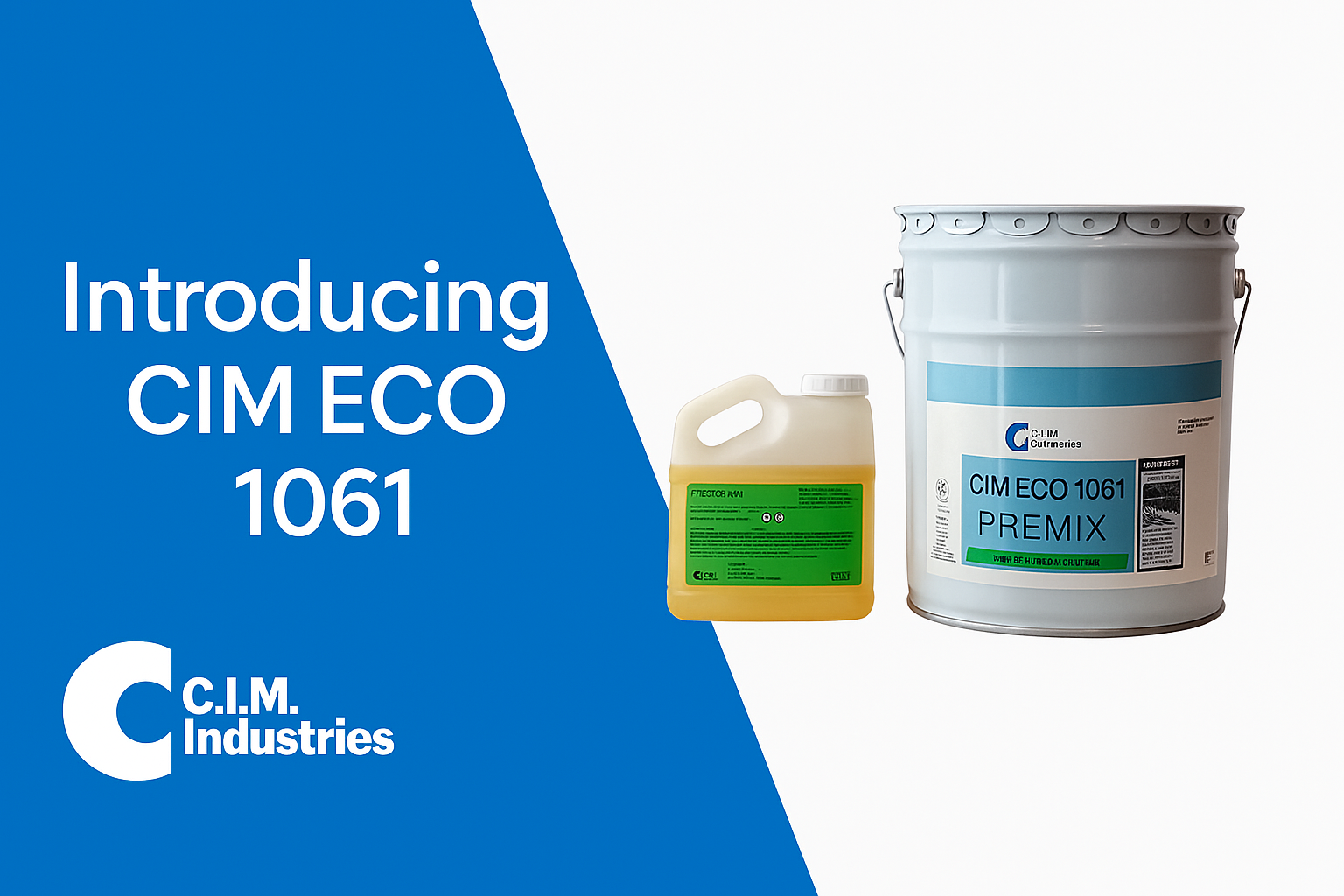
It is critical that the appropriate amount of CIM Activator be mixed with the appropriate amount of CIM Premix. Therefore, each CIM product comes packaged with pre-measured quantities of Activator and Premix.
Topics: Products & Waterproofing Systems
CIM 1000 Trowel Grade Cartridges are ideal for small applications such as penetrations, joints, cracks and many other small repairs. Cartridges are commonly used for adhesion test patches and repair of CIM coatings.
Cartridges may be partially used and re-sealed for future use, eliminating excess waste where only a small amount of CIM is needed.
Topics: Concrete Waterproofing, Products & Waterproofing Systems
Preventing Moisture Contamination During Concrete Coating Applications
There's no avoiding the fact that concrete contains moisture, yet a critical component for successful adhesion of a coating system to a concrete substrate is having a dry substrate. Knowing how to test for moisture and addressing the conditions causing it are things all contractors should familiarize themselves with before applying coatings. Consulting with the coating manufacturer and reviewing the manufacturer's technical data sheets are excellent ways to gain this information.
Topics: Concrete Waterproofing, Products & Waterproofing Systems
CIM coatings have two components CIM Premix and CIM Activator. Each container has a color-coded label in order to assist with identifying the appropriate combination of CIM Premix and CIM Activator. Learn how to select the right activator and premix.
Watch the explainer video
Topics: Products & Waterproofing Systems
How to Successfully Apply Cold, Fluid-applied Waterproof Membranes
Cold, fluid-applied waterproofing membranes are popular choices in the construction and building industries because of their versatility in areas where traditional sheet waterproofing or hot-applied membranes are not options. Cold, fluid-applied waterproofing membranes can be applied to both vertical and horizontal surfaces and, when installed correctly, should last for many years. Understanding and following the installation guidelines will help ensure the application's success. Cold, fluid-applied waterproofing membranes’ robust physical properties and long-lasting performance are why manufacturers publish application and installation guidelines that must be followed.
Topics: Concrete Waterproofing, Products & Waterproofing Systems
We are pleased to announce that Chase Corporation will be exhibiting at the World of Concrete and the International Roof Expo during the week of February 3rd 2020.
Topics: Products & Waterproofing Systems, Training, Resources, and Events
The importance of a well-built building structure is often taken for granted until failures start to appear. These deficiencies can be minor or major, but the results are often catastrophic. This is why consultants play an important role in the waterproofing industry and may add in saving you money in the long run. They add an extra quality assurance check before construction or after a roof or deck fails.
Topics: Concrete Waterproofing, Products & Waterproofing Systems
Environmental conditions can wreak havoc throughout all phases of a coating’s application, but what happens when the wrong tools are used during the mixing process or the material is mixed incorrectly? To avoid negative effects of improper mixing, the manufacturer typically provide technical datasheets, application guidelines, and technical support to aid in the completion of a successful application.
Topics: Products & Waterproofing Systems, Application Techniques
3 Steps to Tie Cold, Liquid Applied Waterproofing with Hot, Rubberized Asphalt Membranes
The most common method employed to tie into an existing hot rubberized asphalt system is to use more hot applied asphalt. This involves using hot kettles and can present some jobsite challenges, such as mobilization issues, safety concerns and foul odor. Cold-applied membranes can address all these concerns. Consult the manufacturer of the cold liquid-applied membrane to verify approval of application procedures. Manufacturers may be able to offer case histories, detail drawings, and application guidelines to help provide technical support needed for tie-in methodology.
Most methods, however, will include the steps listed below.
Topics: Application Conditions, Concrete Waterproofing, Products & Waterproofing Systems, Asphalt

.png?width=650&height=278&name=CIM%20Chase%20logoK_301C%20(3).png)