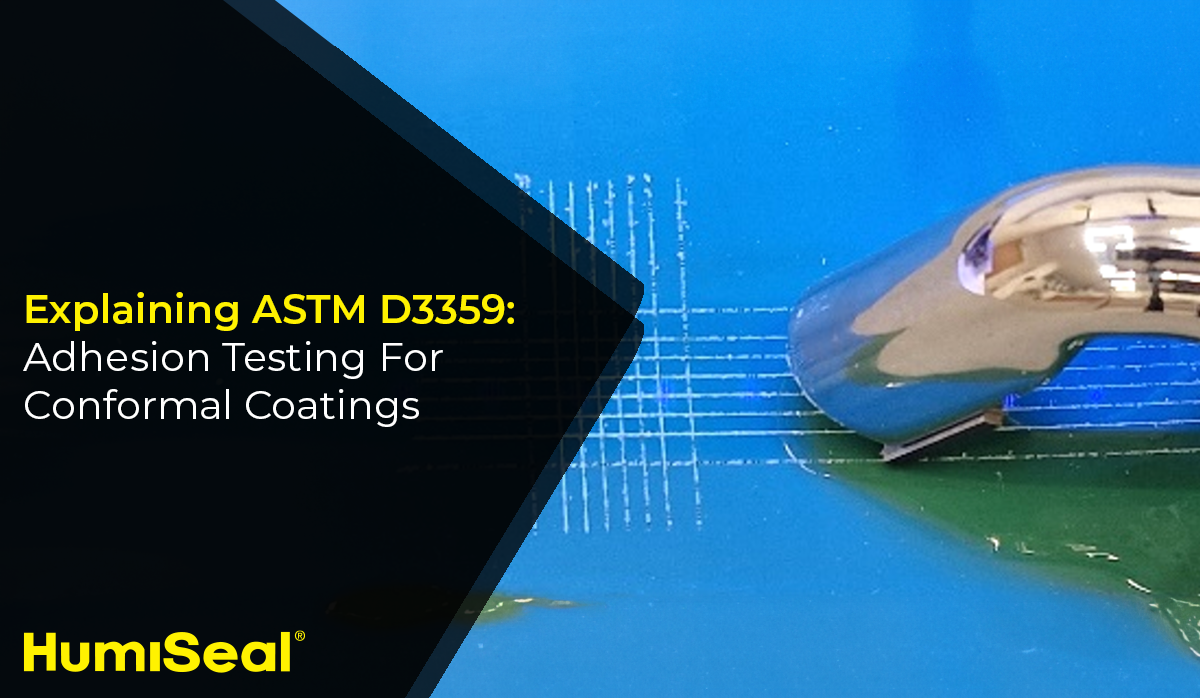
Conformal coatings offer tremendous protection to printed circuit board assemblies, but this assumes they properly adhere to the PCB. Application errors are all too common, causing delamination and otherwise poor adhesion of the material. So before producing at scale, you should routinely conduct adhesion tests to validate the integrity of your production processes.
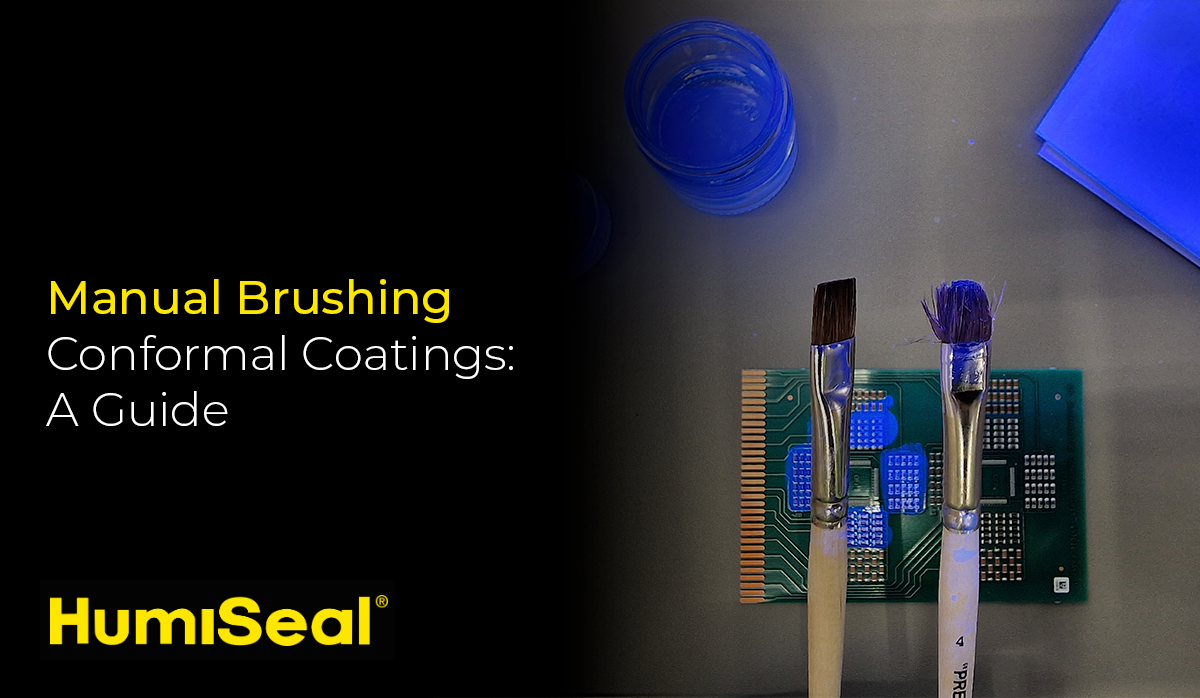
Manual brushing is just one of many methods commonly used for applying conformal coating materials to PCBs and other components. It is a hand-applied method that requires little investment into automation or equipment. With practice, it can be one of the simplest methods available, especially for small-batch production or isolated applications.
Electric Vehicles: Polymers for Performance, Reliability, & Protection
Adoption of plug in -electric vehicles (EVs) has been slower than many expected, but there is little question the next few years will see adoption accelerate. Your hypersensitive dog will have to find new visitors to harass when your delivery drivers arrive without notice, driving to your door silently in all-electric commercial vans. Many of your favorite suppliers and stores have already ordered these vehicles. Game-changing battery and charging developments are eliminating range anxiety, and autonomous driving controls and safety innovations are in the final stages of building our trust.
Topics: Testing & Qualification, Conformal Coatings, Reliability & Environmental Protection, Automotive & EV
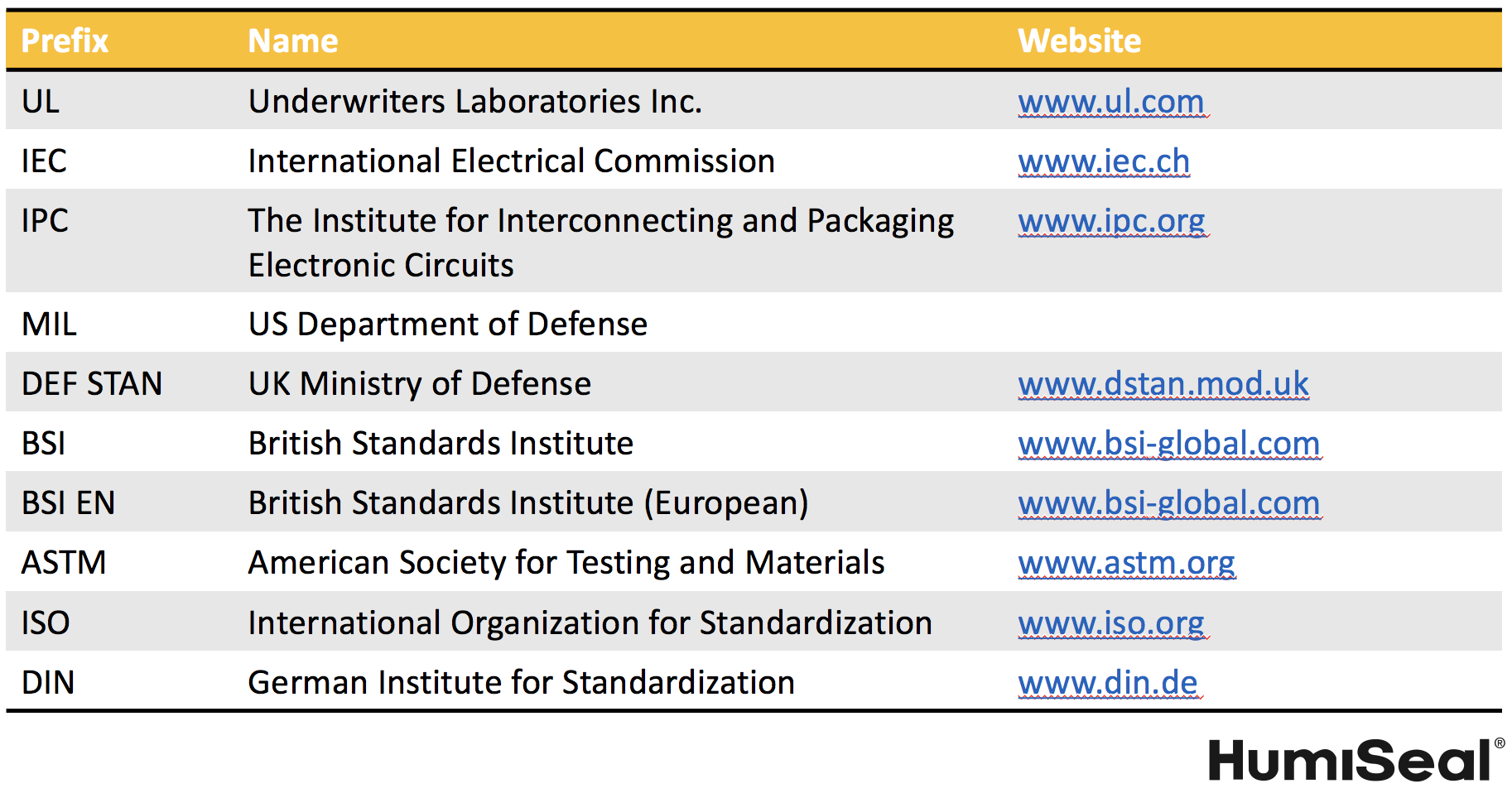
How do you select and test a conformal coating that is right for your specific application? Or maybe you would like to create your own test specification due to any special characteristics of your device’s operating environment? Or depending on your geographical location, you may also be required to use a different testing specification that is dictated by local authorities.
A widely used method to create an internal specification, is to simply select a conformal coating material that meets an existing specification standard. Such standard could be MIL-I-46058C or IEC-60664. However, you must be careful to ensure that the existing standard that you choose, does indeed meet 100% of your requirements. In such cases, you may have to specify test methods from other existing standards.