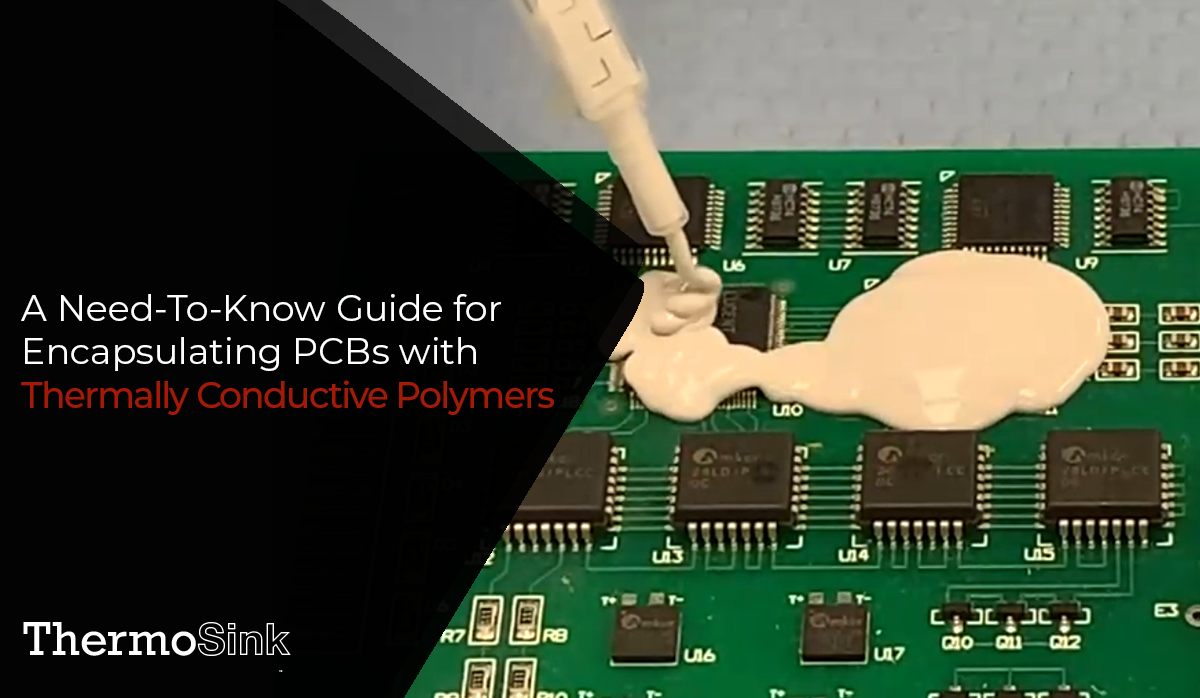
Thermally conductive polymers conduct and disperse heat away from sensitive electronics and PCB components. There are many different available chemistries for the base material which include polyethylene, epoxy, and silicone chemistries among others. The choice of polymer generally involves matching of desired temperature resistance, hardness, and flexibility among others. Since polymers are normally thermally insulative, conductivity is achieved through the use of various fillers such as metallic or halogenated compounds.
Read More
Topics:
Reliability & Environmental Protection,
Encapsulants & Protective Gels
Things are getting hotter out there, and it can’t all be blamed on global warming! As manufactured products continue to get smaller and lighter, there is often the undesired side effect of increased generation of heat. This is especially true in the electronics and power industries, but it is also a challenge faced in industries, including:
- Automotive/EV/Battery (Engines, brakes, assemblies…)
- White goods/appliances
- Medical devices and wearables
- Power generation and conversion/inversion
- Renewable energy manufacture and control
- And many others….
Read More
Topics:
Reliability & Environmental Protection
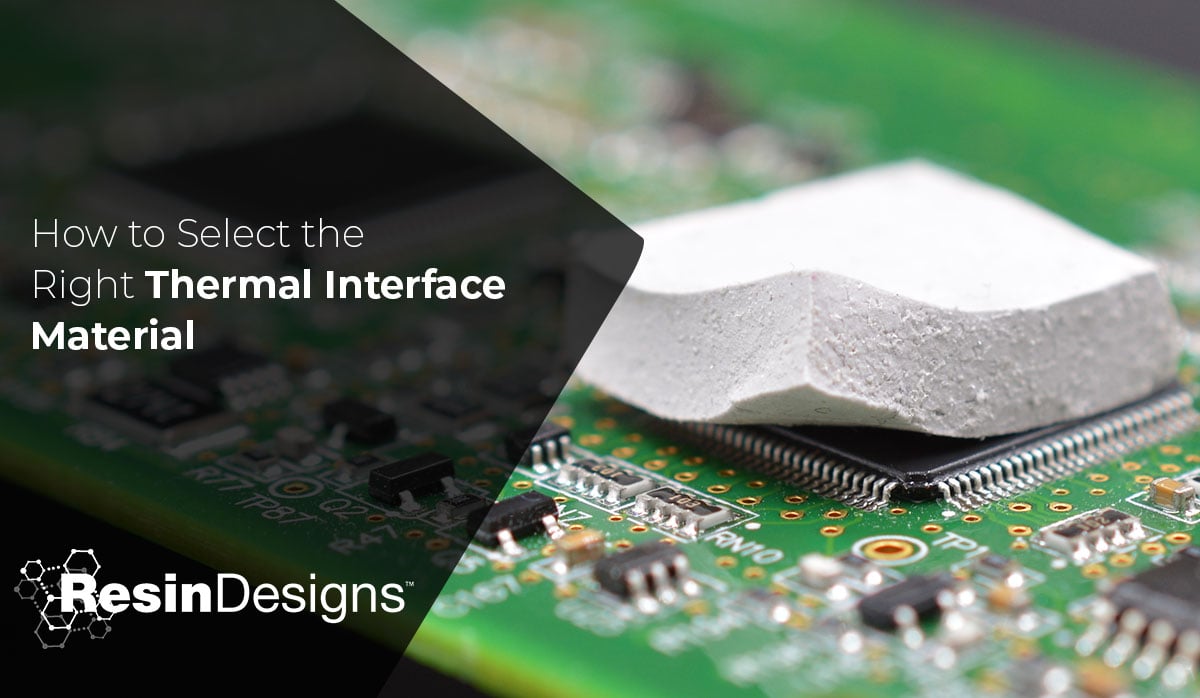
A common limiting factor in the advancement of electronic systems is heat. The need to manage heat removal with a cost-effective solution is a significant driver in the design of many electronic devices. Thermal interfaces play a huge factor in a device’s operation both in performance and reliability. Thermal interface materials (also referenced as a “TIM”) are mostly thermally conductive, ceramic-filled systems with organic or silicone binders added to make them flowable for dispensing and processing. These materials can be used to accelerate heat dissipation and give the cost-effective method engineers need for flexibility to reduce the overall size of the package.
Read More
Topics:
Reliability & Environmental Protection
Heat makes electronics age faster. That's nothing new. The control and management of heat has always been a critical consideration in the design of printed circuit boards (PCBs) and other electronic devices. What is relatively new, however, is the dramatic increases in voltages, currents, and processing speeds demanded by burgeoning industries.
Read More
Topics:
Testing & Qualification,
Reliability & Environmental Protection,
PCB & Electronic Protection,
Thermal Pads
For Immediate Release
Resin Designs, a division of Chase Corporation, announces positive test results for their ThermoSink 35-6 thermally conductive electronics potting material.
Recent independent testing has confirmed that ThermoSink 35-6 has met requirements under the testing protocol-
ASTM E595-15 (2021), "Standard Test Method for Total Mass Loss and Collected Volatile Condensable Materials from Outgassing in a Vacuum Environment”
Read More
Topics:
Testing & Qualification,
Reliability & Environmental Protection,
Silicones,
Thermally Conductive Silicones
The use of thermally conductive polymers has been accelerating in recent years. This growth is being driven by increased demand and technical advances in applications, such as:
- EV battery cooling
- High voltage EV and yard tool chargers
- Miniaturization of trace spacing and gaps on PCBs
- And many more….
Read More
Topics:
Reliability & Environmental Protection,
Polymers,
Automotive & EV,
thermal polymers
Nobody likes to get too hot, and if your high-tech electronics could talk, they’d say they feel the same way. Heat is their enemy. It reduces longevity and limits reliability, two non-negotiable properties in electronics. The lack of one or both can literally mean the difference between life and death in applications such as autonomous driving and aerospace controls.
Read More
Topics:
Testing & Qualification,
Reliability & Environmental Protection,
Thermal Pads
Adoption of plug in -electric vehicles (EVs) has been slower than many expected, but there is little question the next few years will see adoption accelerate. Your hypersensitive dog will have to find new visitors to harass when your delivery drivers arrive without notice, driving to your door silently in all-electric commercial vans. Many of your favorite suppliers and stores have already ordered these vehicles. Game-changing battery and charging developments are eliminating range anxiety, and autonomous driving controls and safety innovations are in the final stages of building our trust.
Read More
Topics:
Testing & Qualification,
Conformal Coatings,
Reliability & Environmental Protection,
Automotive & EV
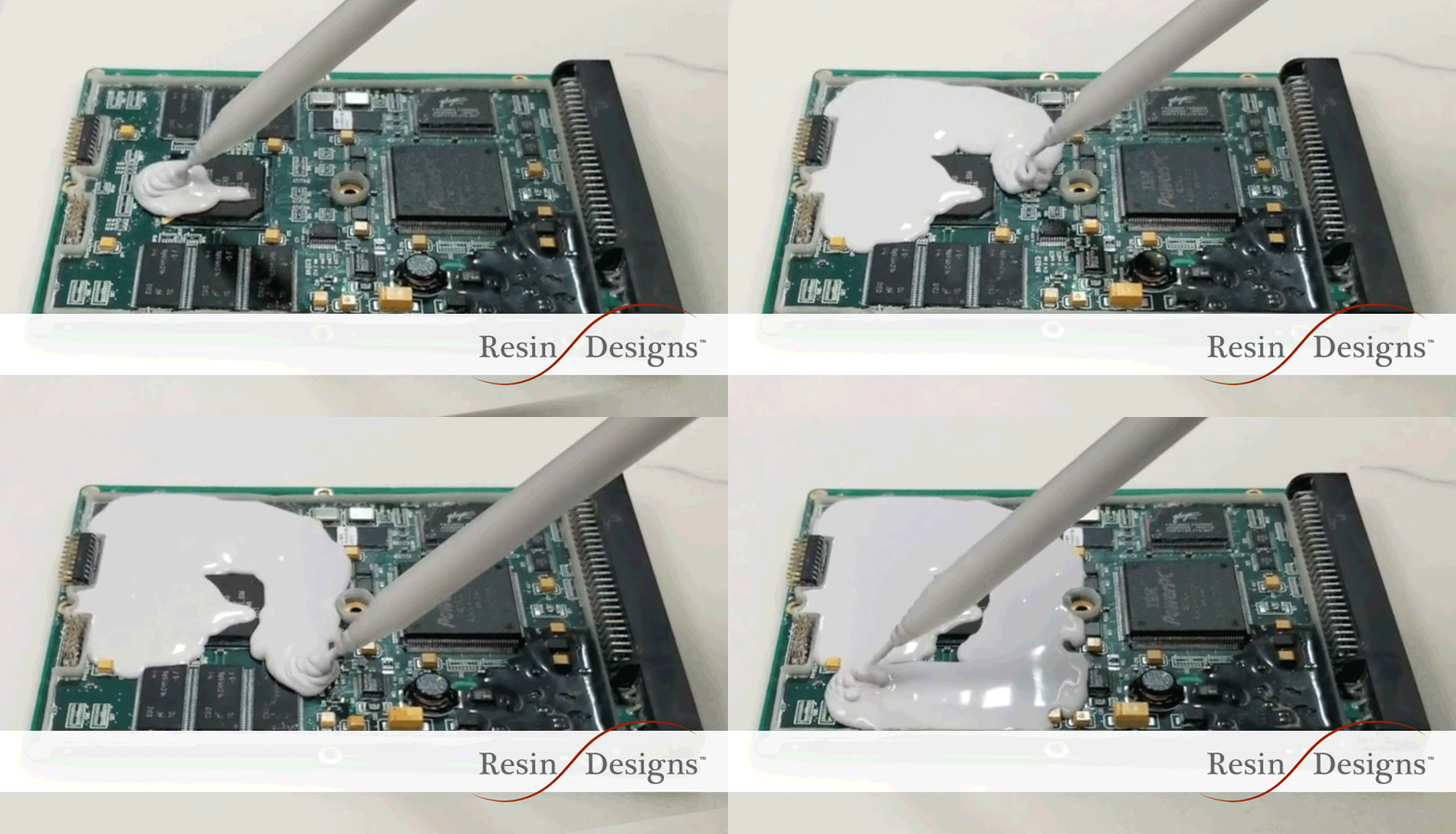
Thermally conductive silicone products are widely used in the electronics industry to radiate heat away from locales for component survivability while maintaining optimum operating temperatures. For potting and encapsulation applications, circuit board engineers typically specify flowable products that will quickly surround the components after dispensing and become solid at room temperature within an hour or less.
Read More
Topics:
Testing & Qualification,
Resin Designs,
Reliability & Environmental Protection,
Potting Material
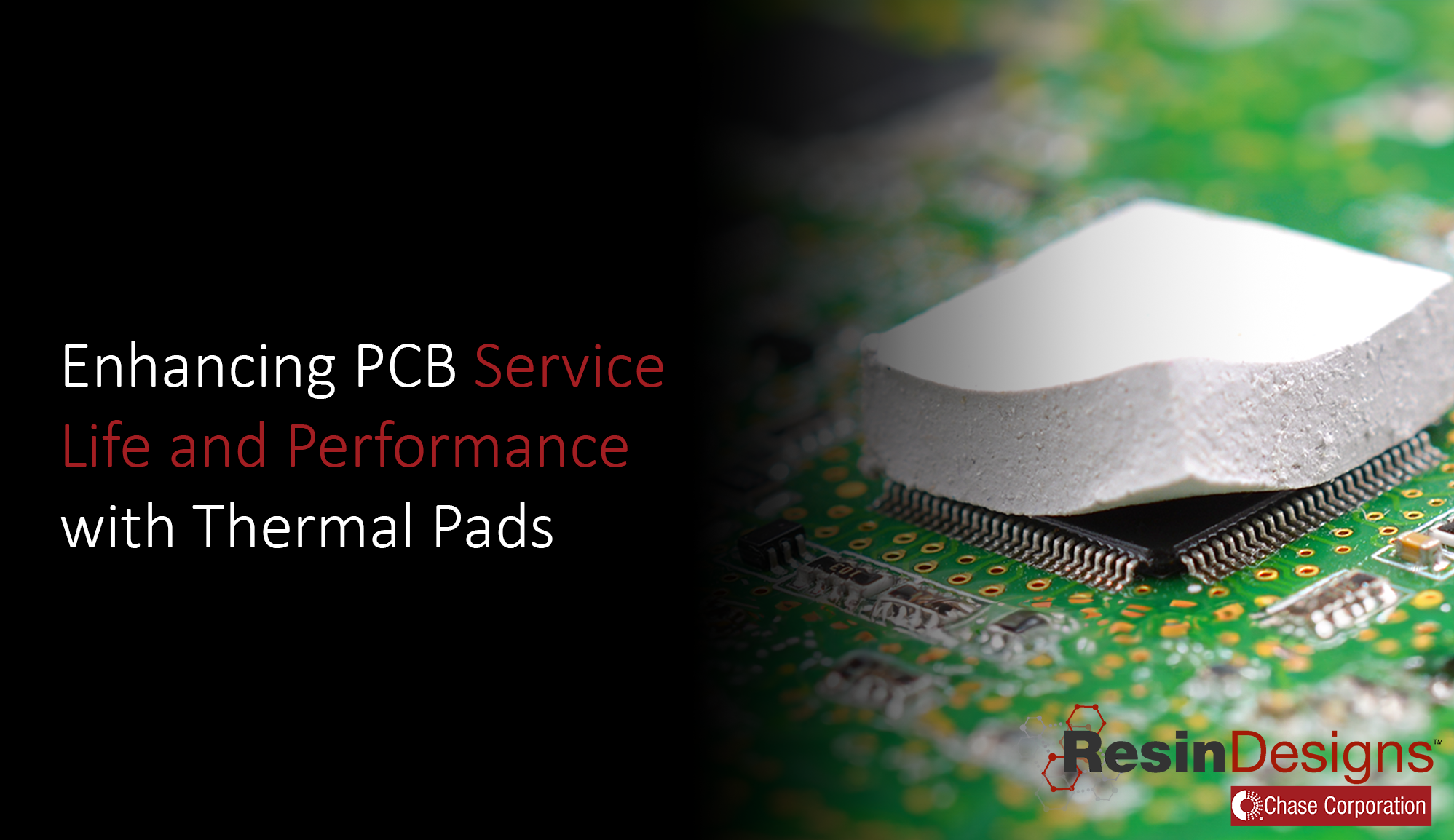
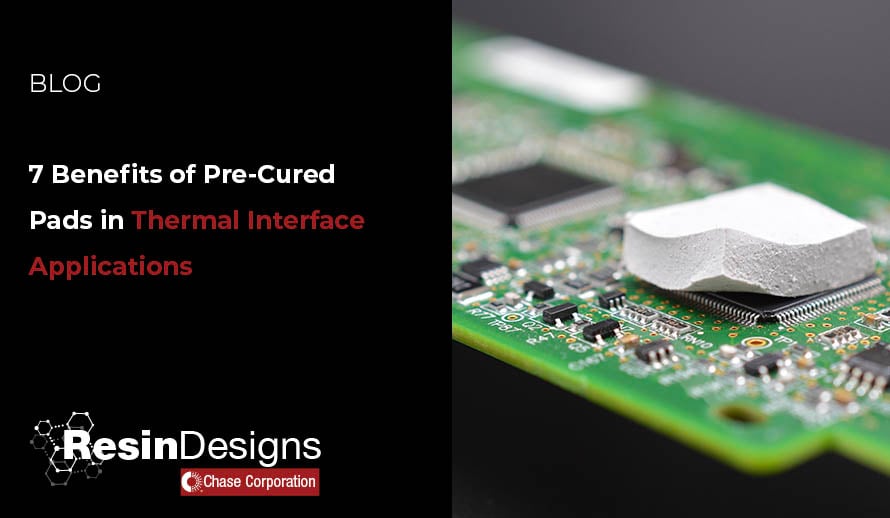
Concerned about the long-term reliability of dispensed, non-curing thermal interface solutions? What about cracking and pump-out that increase thermal resistance after aging and thermal shock? These are just a few of many important reasons to consider using pre-cured pads as a thermal transfer medium between a heat spreader and electrical components over wet-dispensed products that are prone to failure over time as in the example provided below.
Read More
Topics:
Thermoplastic,
Reliability & Environmental Protection