Managing hazardous waste is complex, and navigating the regulations around solidification can be confusing. If you are asking questions about biodegradability tests and landfill compliance, you are not alone. Whether you are searching for regulatory details or trying to understand the science behind waste solidification, getting clear answers matters.
This guide tackles the most frequently asked questions about the OECD 301B test, why non-biodegradability is a legal requirement for landfills, and how certified products like ZapZorb provide the solution you need.
Read More
Topics:
Super Absorbent Polymers,
Liquid Solidification
One of the key principles of employing superabsorbent polymer (SAP) technology for the solidification of dredged sediments, wastewater treatment sludge, or other liquid-bearing waste materials, is the drastic time savings that can be realized with SAPs when compared to traditional, commodity drying products like sawdust or Portland cement.
Read More
Topics:
Super Absorbent Polymers,
Liquid Solidification
Every day our team receives many questions from current customers and interested future users of superabsorbent polymers (SAP) around the world.
We have provided answers to some of the most popular questions, below.
Read More
Topics:
Super Absorbent Polymers,
superabsorbent polymers,
SAP Applications,
Sodium polyacrylate superabsorbent polymers,
SAP costs,
FAQ
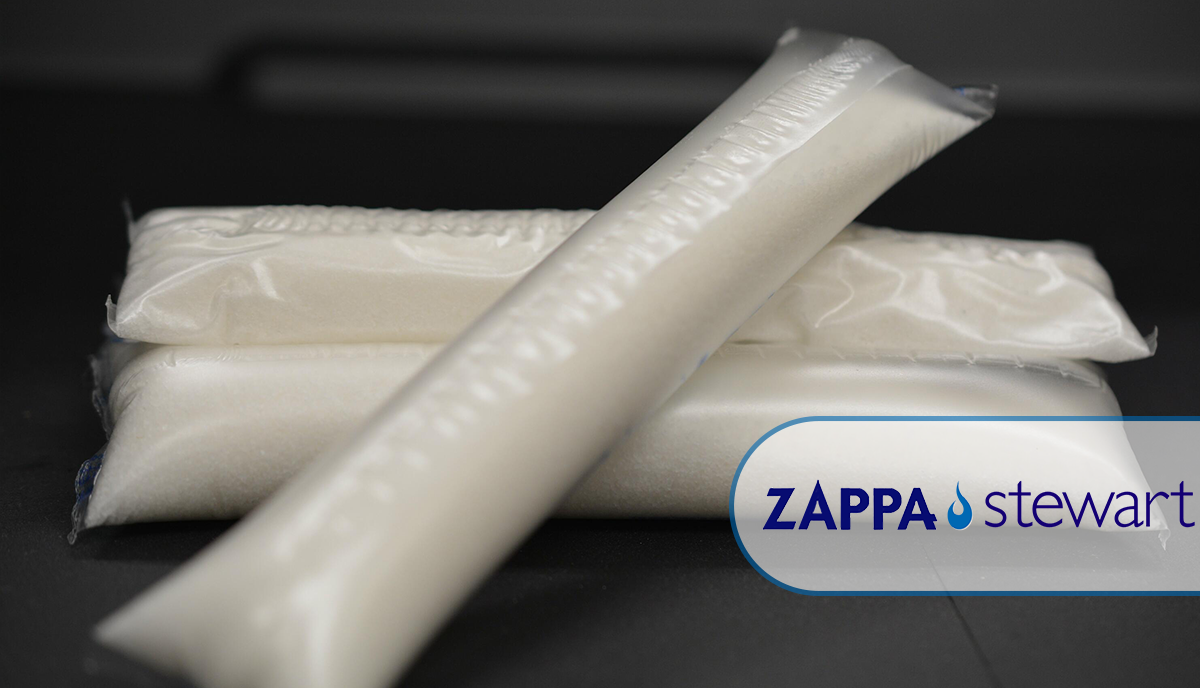
Zappa-Stewart supplies large volumes of sodium polyacrylate superabsorbent polymers (SAPs) to many industrial and consumer sectors. Hot/cold packs, the gel-filled packaging that accompanies perishable online grocery deliveries, is one specific SAP application that is experiencing explosive growth in demand. With the increased demand for SAPs in the hot/cold pack market, we have also received an increasing volume of questions from customers and end users about ways that SAPs can be repurposed, rather than simply tossed in the garbage. It’s a great question and fortunately for millions of consumers across the globe, we have some answers.
Read More
Topics:
Super Absorbent Polymers,
SAP,
Gel Packs,
Landfills,
Soil Hydration,
Recycle
Are superabsorbent polymers (SAPs) biodegradable? Will SAPs release liquids in a landfill? These questions are asked by many professionals in the environmental waste management industry when considering SAPs for a project. SAPs are used globally to solidify liquid waste streams safely and efficiently prior to final disposal or reuse. However as with any waste treatment reagent, it is important for environmental practitioners to understand how SAPs behave once they are disposed in a landfill or left on-site as a component of fill material.
Read More
Topics:
Super Absorbent Polymers,
Biodegradable
Which Are Better?
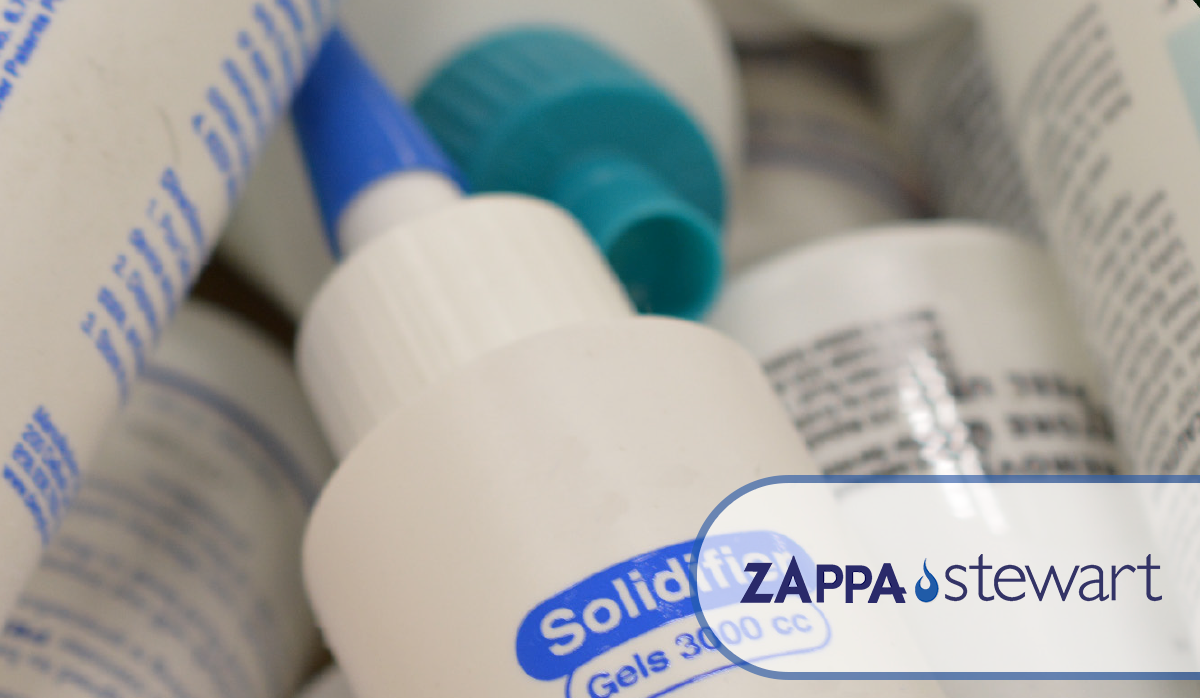
The decision to introduce waste solidification is a great step forward in the fight to control and mitigate the risk for hospital-acquired infection. However, once the decision to solidify fluid wastes is made, the next concern is which packaging format to introduce self-dissolving packs or bottles.
Read More
Topics:
Super Absorbent Polymers,
Bottles,
Dissolvable Packs
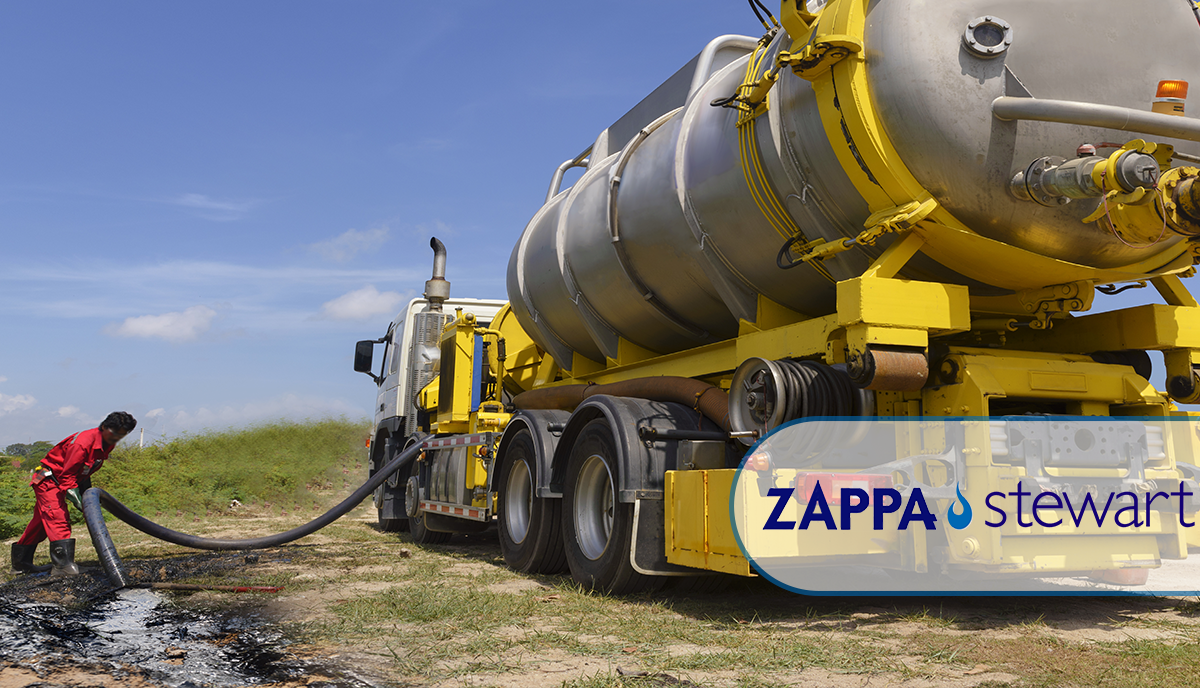
The rapid increase in horizontal directional drilling (HDD) activities throughout North America has resulted in a higher demand for vacuum truck services to manage liquid waste streams. And while drilling contractors and pipeline maintenance crews often rely on the convenience and efficiency of hiring a vacuum truck to get liquid waste out of their way, the next step in the process, liquid waste solidification, is often not as efficient or cost effective as it could be. Low-end commodity absorbents, like those that are widely used in the waste treatment industry, present several challenges to environmental contractors. Fortunately, superabsorbent polymers (SAPs) offer a safe, efficient, and cost-effective solution to liquid waste solidification.
Read More
Topics:
Super Absorbent Polymers,
SAP,
Sawdust vs SAP,
Hydroexcavation Trucks,
Vacuum truck
The Zap-Loc solidifier for medical and laboratory use greatly reduces the risk for spread of infection through the fast and efficient solidification of infected waste. The Zap-Out line of solidifiers takes this one step further through the addition of a patented additive for treating the waste fluid during the solidification process.
Read More
Topics:
Super Absorbent Polymers,
Medical Waste Solidification
When we think of life and death decision-making, police officers, firefighters and doctors often come to mind. However, nurses and other healthcare professionals also make life and death decisions on a daily basis, and at the same time, they repeatedly put their own health at risk through the potential spread of infection. All this to improve the health of others they may never have met.
Read More
Topics:
Super Absorbent Polymers,
SAP,
Medical Waste Solidification,
SAP for Medical Applications
Superabsorbent polymers (SAPs) are used in many industries to reduce the challenges and risks associated with managing liquid waste. Waste solidification is the process utilized by environmental waste management professionals to render liquid waste into a solid state that can be more easily managed, transported, and disposed. To learn more about the benefits of SAP technology, the Top 5 Reasons to Solidify with SAPs are provided below.
Read More
Topics:
Super Absorbent Polymers,
Benefits