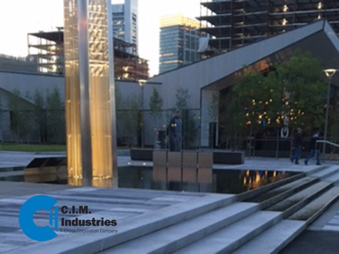
Exposed concrete does not require a choice between reliable waterproofing and a refined architectural finish. A coordinated coating system can preserve the performance of the waterproofing assembly while adding durable, intentional color to visible surfaces.
Architectural Concrete Waterproofing: Integrating Color with High-Performance Waterproofing Systems
Topics: Application Conditions, Concrete Waterproofing, Application Techniques
As we step into the twenty-first century, the design, construction, and maintenance of industrial and commercial structures, residential homes and buildings, and our environment continue to be a focus. With a growing emphasis on sustainability, the manufacture and use of eco-friendly construction materials are not just receiving visibility but are becoming a crucial aspect in the architectural and engineering design communities. This is particularly true for the structural elements within a project’s design scope of work and the potentially impacted surrounding environment: recreational areas, wetlands, rivers, and streams.
Topics: Application Conditions
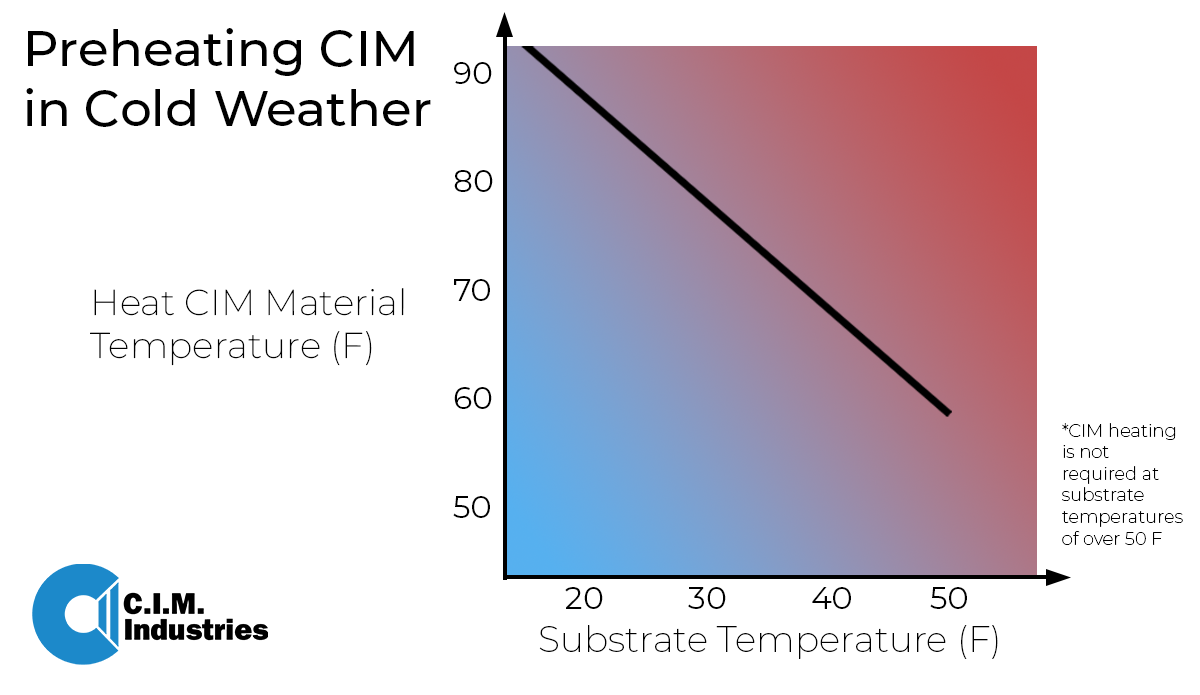
Winter is here, and you may have surfaces that need coverage despite the cold weather. It is important to understand the environmental conditions and limitations of cold weather application before proceeding with the application of any coating.
Review the cold-weather fluid-applied application instructions for detailed application guidelines. However, the application guidelines alone will not paint the full picture. Follow along for professional advice on applying in the (cold) field.
Topics: Application Conditions, Products & Waterproofing Systems
Preparing Waterproof Membranes That Passed the Recoat Window
It’s said that two heads are better than one. The same principle applies to waterproofing membranes. Typically, you apply a layer of CIM waterproofing, wait for one to four hours, then apply your second layer. This is all after choosing a waterproofing membrane, of course. This is the recoat window for most membranes, and it marks the period of maximum adhesion between layers. That said, there are innumerable reasons why you may miss this recoat period.
It happens, and it isn’t an issue for experienced applicators. With the right tools and technique, you can abrade (rough up) the surface of the membrane to improve its ability to bind well after the surface has set.
Topics: Surface Preparation, Application Conditions, Products & Waterproofing Systems
Winter Waterproofing: Cold Weather Tips for Applying CIM Membranes
Cold temperatures can impact the curing of coatings. Applications at colder temperatures, or below the manufacturer’s recommendations, require experienced contractors familiar with CIM waterproofing products. To achieve the best results, it is important to pay attention to the manufacturer’s application procedures.
Topics: Application Conditions
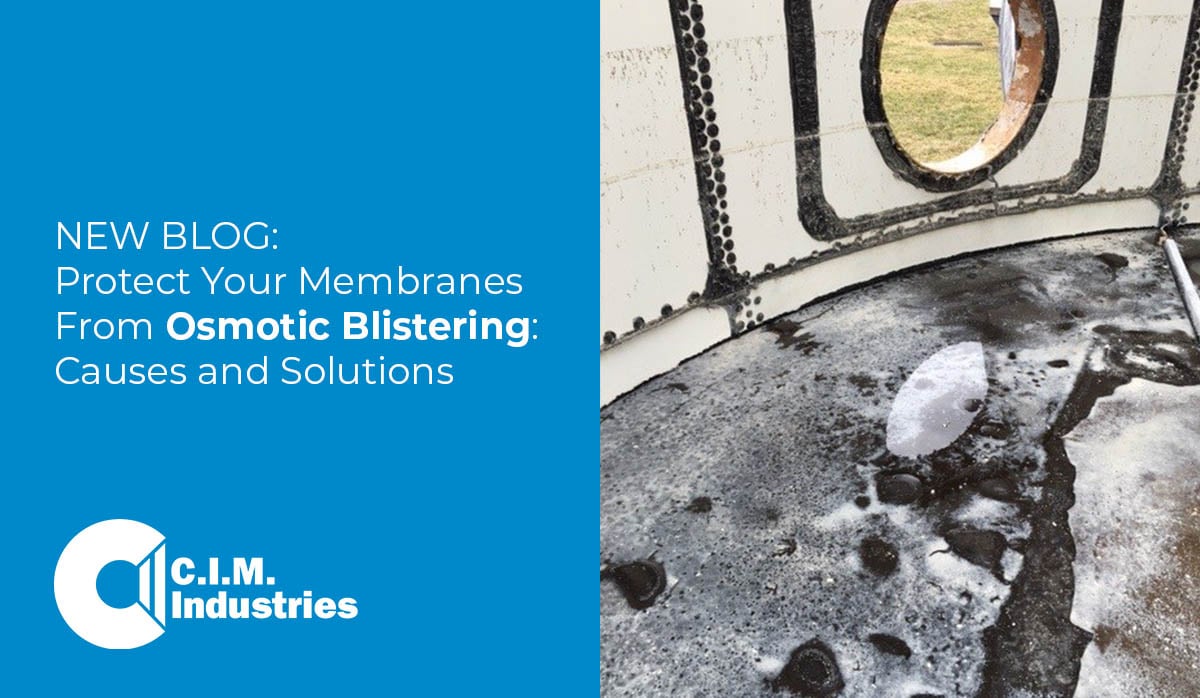
Protect Your Membranes From Osmotic Blistering: Causes and Solutions
There is a large misconception in the waterproofing industry that all cold fluid-applied waterproofing membranes are susceptible to osmotic blistering. But this is not the case. Over the years, costly waterproofing repairs have led to a lack of confidence in using cold fluid-applied waterproofing membranes in damp, wet, and immersion environments. Understanding what osmotic blistering is, knowing why it occurs, and choosing the correct product for each job will help minimize the potential for osmotic blisters.
Topics: Surface Preparation, Application Conditions, Products & Waterproofing Systems
Selecting a Waterproofing Application Method - Hand vs Spray Applied
With many varieties of elastomeric coatings on the market, it should be no surprise that there are many different application methods to consider. So, how do you choose the best plan for your next project?
This article will focus on polyurethane, cold, fluid-applied, elastomeric waterproofing coatings. These products can be hand-applied using a brush, roller, or squeegee or with specialized spray equipment. The application method is often predicated by project conditions that influence the contractor's ability to apply the material as a uniform coating at the required thickness.
Topics: Application Conditions, Concrete Waterproofing, Application Techniques
3 Steps to Tie Cold, Liquid Applied Waterproofing with Hot, Rubberized Asphalt Membranes
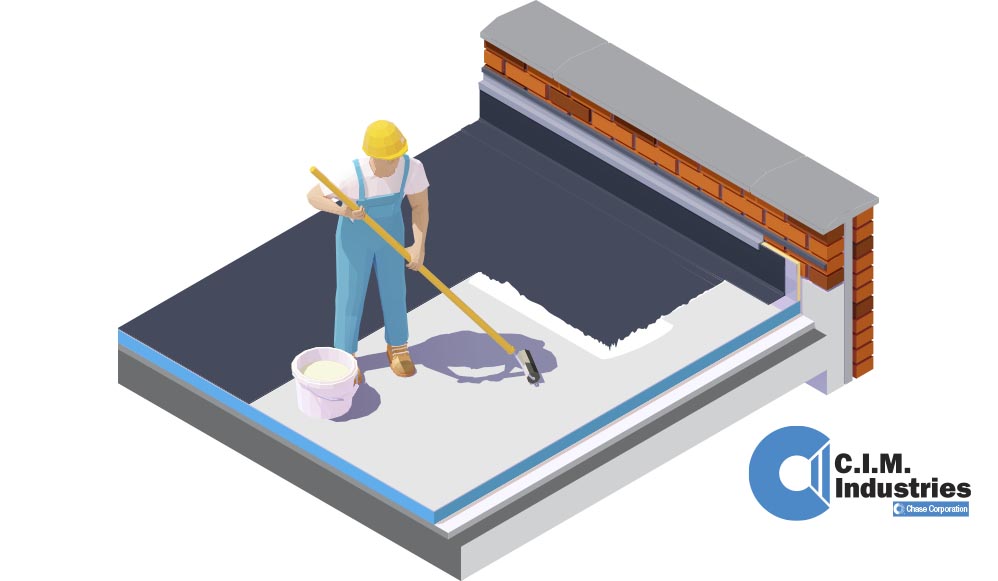
The most common method employed to tie into an existing hot rubberized asphalt system is to use more hot applied asphalt. This involves using hot kettles and can present some jobsite challenges, such as mobilization issues, safety concerns and foul odor. Cold-applied membranes can address all these concerns. Consult the manufacturer of the cold liquid-applied membrane to verify approval of application procedures. Manufacturers may be able to offer case histories, detail drawings, and application guidelines to help provide technical support needed for tie-in methodology.
Most methods, however, will include the steps listed below.
Topics: Application Conditions, Concrete Waterproofing, Products & Waterproofing Systems, Asphalt
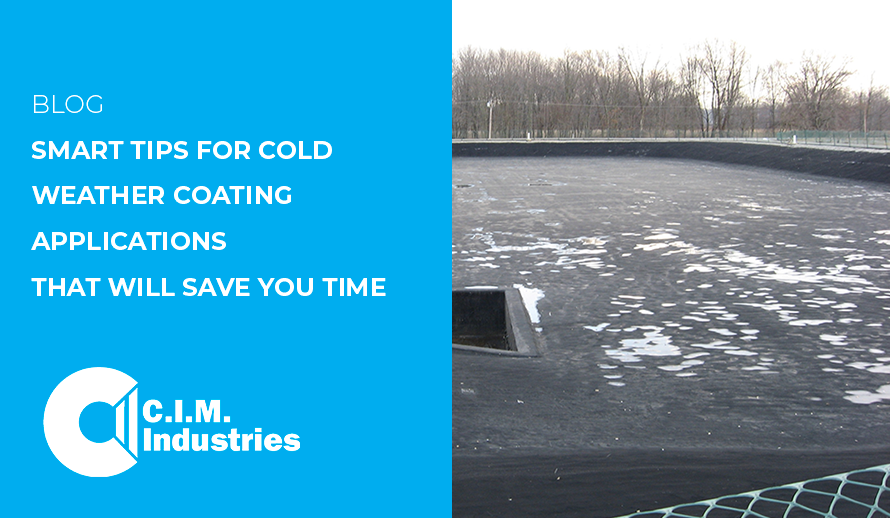
Smart Tips For Cold Weather Coating Applications That Will Save You Time
It’s common knowledge that colder temperatures can impact the curing of coatings. To achieve the optimum performance properties of the coating, special attention to the manufacturer’s application guidelines is needed.
Applications at colder temperatures, or below the manufacturer’s recommendations, require experienced contractors who are familiar with CIM products.
Don’t Let Environmental Conditions Ruin Your Next Coating Project
Environmental conditions can wreak havoc throughout all phases of a coating application. To maximize the longevity and performance of the coating, we need to monitor environmental conditions, utilize proper testing equipment, and maintain daily field logbooks to stay on the path to coating success!
Environmental Effects on Coatings
Environmental conditions refer to the air and surface temperatures, relative humidity, dew point, and wind speed; each of these can negatively impact the coating if not properly monitored.
- Air and surface temperatures are the first conditions to check when assessing the potential for effects on the working and curing time of the coating as well as moisture formation on the substrate. It is equally important to verify that temperatures arein line with the manufacturer’s product recommendations.

Topics: Application Conditions

.png?width=650&height=278&name=CIM%20Chase%20logoK_301C%20(3).png)