

Skip to content

  • There are no suggestions because the search field is empty.
HumisealLogoforBlogpage

Tired of Masking Conformal Coating Applications?  Try Selective Dip Coating Instead

Posted by David Greenman on 11/21/2023

When conventional coating methods such as hand spray, total dipping or robotic selective coating don’t provide the protection required, there is always selective dip coating.

What is selective dip conformal coating?

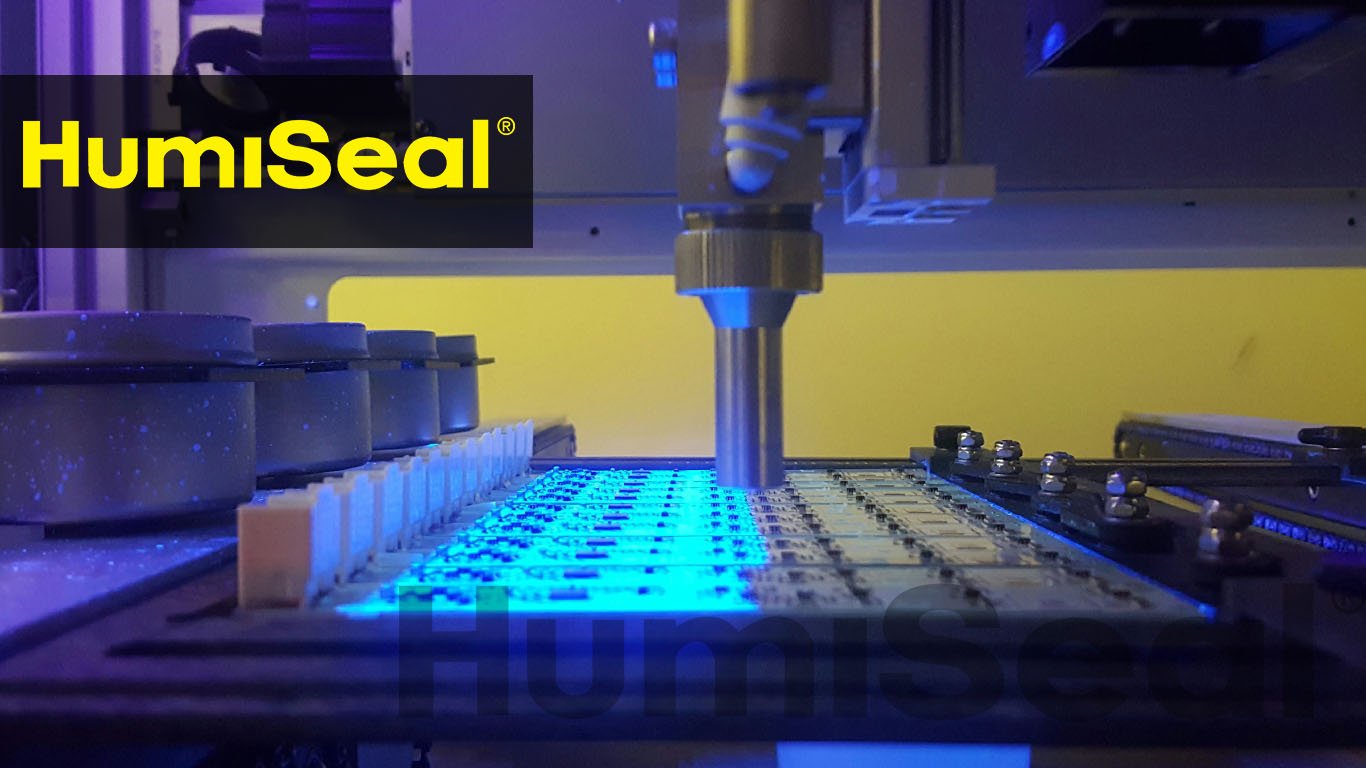
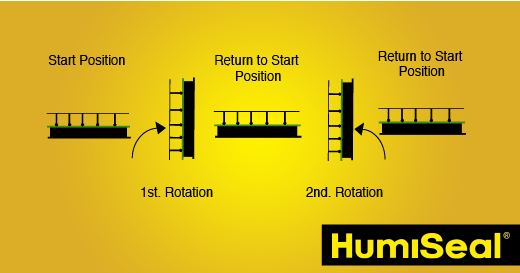
Selective dip coating is a process whereby the substrate rather than globally immerised in the coating, is discreetly coated in desired locales.  The technique in one form or another, has been around for over 25 years and is used with both classic solvent-based coatings and 100% UV cure conformal coatings.
Read More

Topics: Conformal Coatings, Electronic Protection, Application & Processing

Complete Guide to Viscosity Part 2: Measurements and Devices Explained

Posted by Vlad David on 7/07/2022

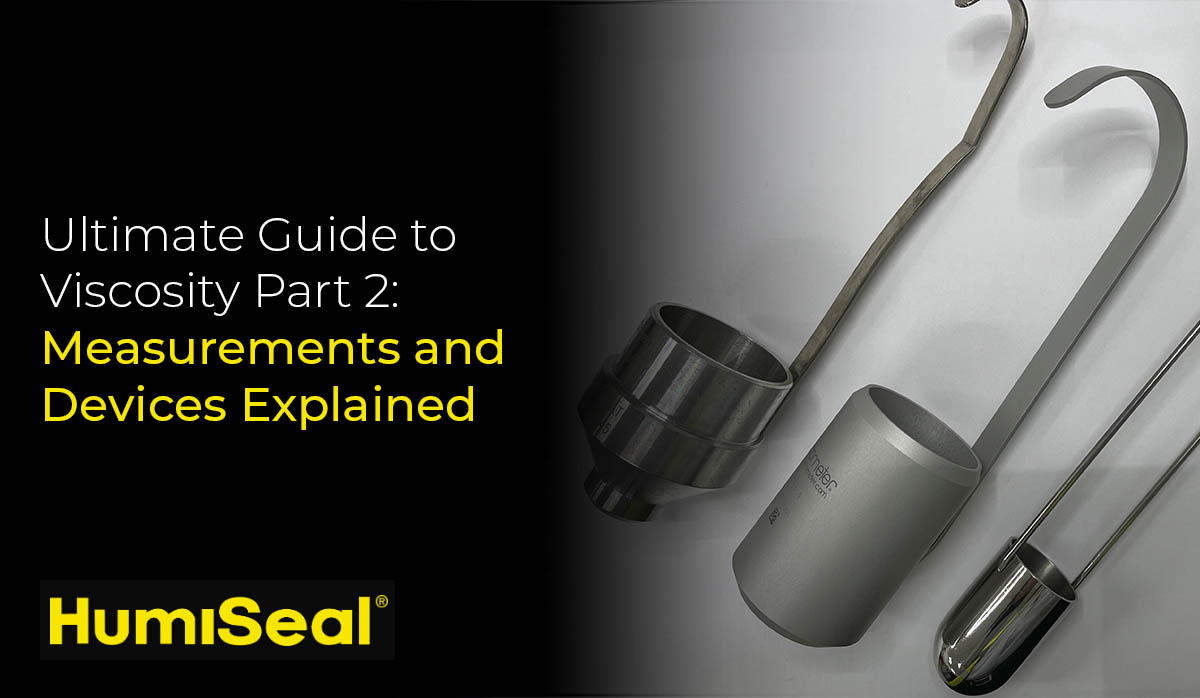
This blog is the second installment in our two-part series on viscosity (with special consideration on adhesives and coatings).

In our previous viscosity blog, we discussed the properties of viscosity and how viscosity can be affected by temperature, the addition of dilution or thinning agents, and other similar factors.

Read More

Topics: Conformal Coatings, Application & Processing

Complete Guide to Viscosity: Part 1

Posted by Vlad David on 1/18/2022

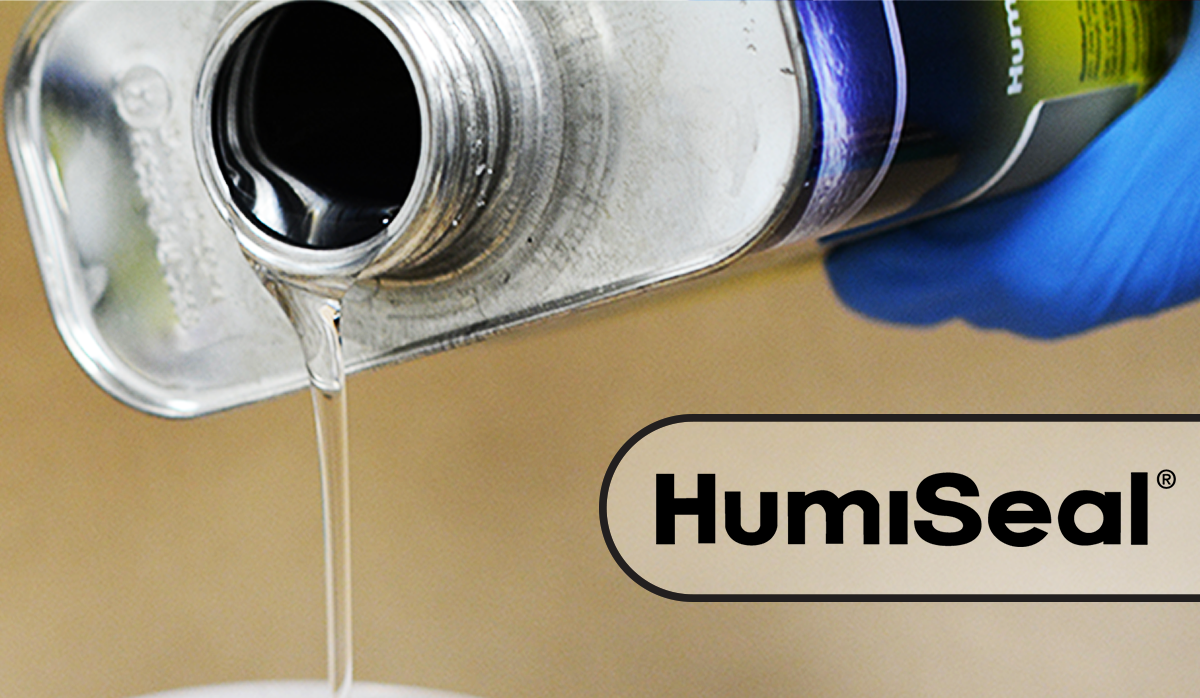
This is the first in a short series on material viscosity, in which we will review what it is and how to measure it. We will start with the definition of viscosity. Viscosity is the internal friction of moving fluid and a measurement of the resistance of a fluid deformed by shear stress. It is measured in centiPoise. The lower the number, the less viscous the material, as can be seen by this comparison chart: starting with water at 1 cPs and ending with honey at anywhere between 2,000 – 10,000 cPs.

Read More

Topics: Conformal Coatings, Application & Processing

Masking Before Parylene Conformal Coating

Posted by Dan Griffin on 10/28/2021

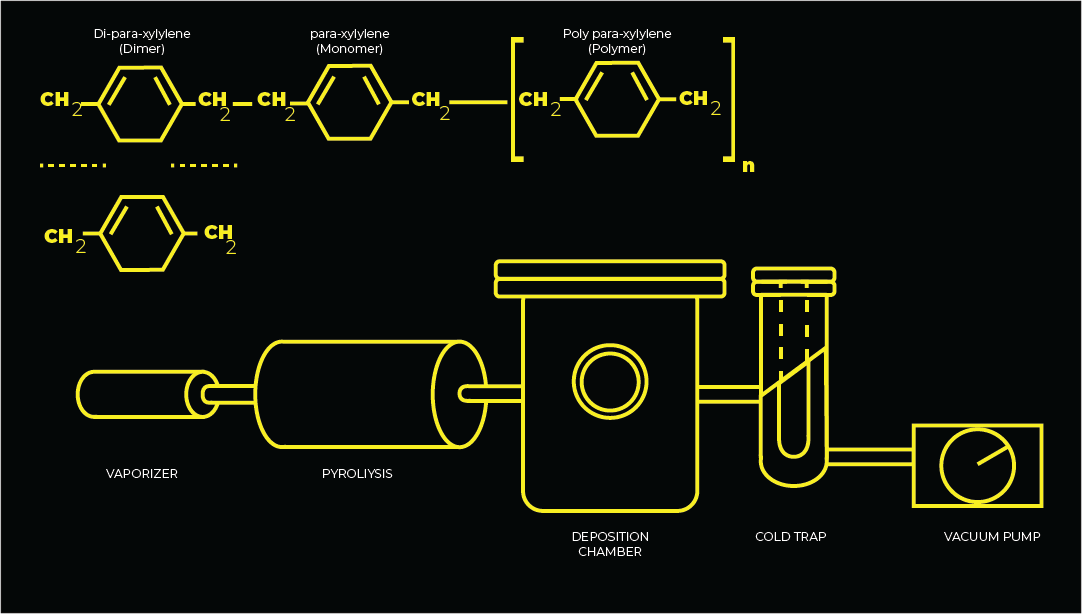
Conformal coating with parylene is a very different process compared to coating with traditional solvent-borne or UV curable materials. Parylene coating has some advantages including

  • a very thin application profile,
  • uniform and complete surface coverage, and
  • generally excellent protection and minimal outgassing potential.

On the other hand, parylene coating also presents unique challenges such as

  • a significant investment in complex equipment,
  • batch processes that limit productivity and increases costs, and
  • the user’s inability to selectively control where the coating is applied.

It is this final challenge that we will concern ourselves with within the following discussion.

Read More

Topics: Application & Processing, UV92, Parylene Conformal Coating, Parylene process

Masking Before Conformal Coating My PCB: What Are My Options?

Posted by Dan Griffin on 11/14/2019

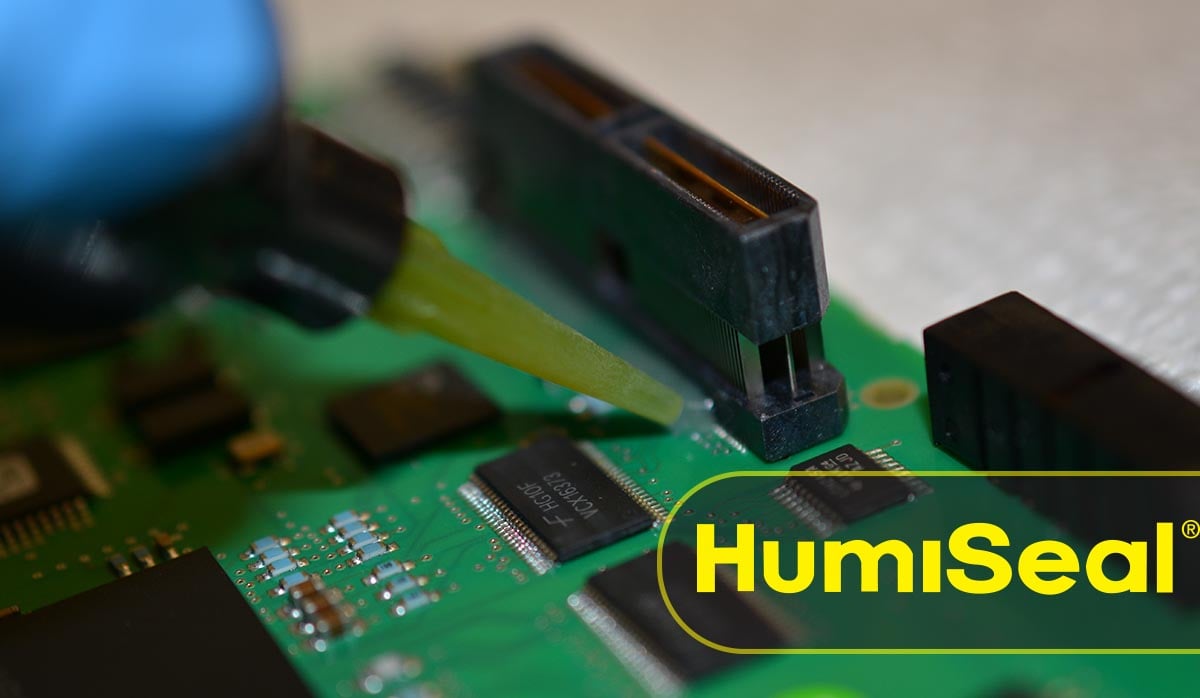
Nobody likes masking, nevertheless it can be a necessary part of your PCB production process.

“But I thought selective conformal coating equipment had eliminated the need for masking in most cases.”

The cost of selective conformal coating equipment can easily run into hundreds of thousands of dollars. Even those who invest in the latest selective coating technology find, at times, that masking in certain areas is the only solution.

Read More

Topics: Conformal Coatings, Application & Processing

Thinners for Conformal Coatings: The Basics of What, When, and How

Posted by Dan Griffin on 10/31/2019

You have completed your search for an ideal conformal coating chemistry, one that will provide your PCBs the protection and reliability demanded by your industry and customers. After all that work, you probably assume your job is finished. Our apologies for being the bearer of bad news: There is still work to be done. In this basic presentation and discussion, we will talk about the proper choice and implementation of thinners for your coating. In many cases, a mistake in thinner can harm or even completely negate the protective properties of your conformal coating when applied to your PCB.

Read More

Topics: Conformal Coatings, Application & Processing

Optimizing Conformal Coating Flow Rates to Save Time and Money

Posted by Dan Griffin on 1/16/2019

In a previous blog “How to Save Time and Money by Measuring the Right Amount of Viscosity,” viscosity was described as critical to the conformal coating process. This post will cover some of the technical details related to coating flow rate and the significant potential for savings of both time and money for PCB manufacturers.

Read More

Topics: Conformal Coatings, Application & Processing

How to Save Time & Money Measuring the Right Amount of Viscosity

Posted by Rafael Hernandez on 3/14/2018

The conformal coating process, like any other processes, has different variables, inputs, and outputs. In order to be able to control the results of your application (outputs), we need to fully understand how each variable affects the process. 

The importance of the variables

To get the right amount of liquid, thickness, right coverage, no contamination on keep out areas, etc., you need to identify and understand the variables of the process.

The most important variables:

  • Viscosity
  • Flow
  • Machine parameters (speed and Height)
  • Curing method

In this blog, we will concentrate on reviewing the first variable: Viscosity

Read More

Topics: Conformal Coatings, Application & Processing

What is a Wet Gauge and How to Measure Conformal Coating Thickness?

Posted by Vlad David on 10/10/2017

The application of the conformal coating in a uniform and consistent coverage is a key challenge that defines the reliability of the finished product.

A thin coating will provide inadequate protection against corrosion or insulation between conductors. Conversely, if the conformal coating is too thick, it will increase the risk of forming other types of coating defects such as bubbles, insufficient curing, and potential cracking during thermal shock cycles.

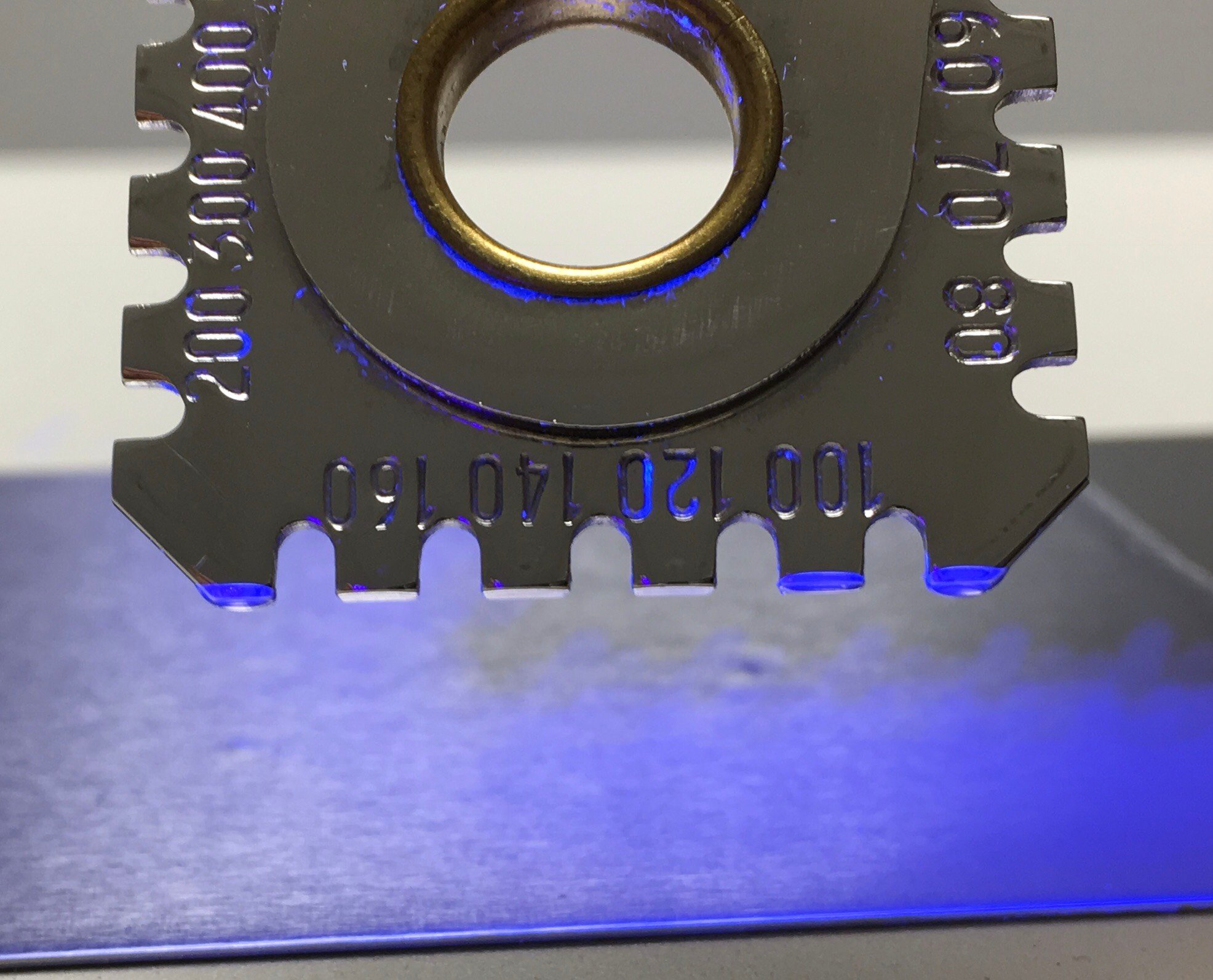
Besides the verification of the process parameters such as coating viscosity and the application method is correctly setup, the amount of conformal coating material applied on the printed circuit boards can be measured before curing. For this, wet film conformal coating thickness gauges are used. This method ensures quality control while the coating material is still wet.

Read More

Topics: Conformal Coatings, Application & Processing

Subscribe Here!

Featured posts

Request FREE Sample

Subscribe Here!

Featured posts